
Blog
Attached or Detached: Why It Changes What Breaks on Your Garage Door
Crystal Lake homes built 1952-2009 split between attached and detached garages, and the difference changes what fails first in a cold-climate door. Here's what to check.
What to Check
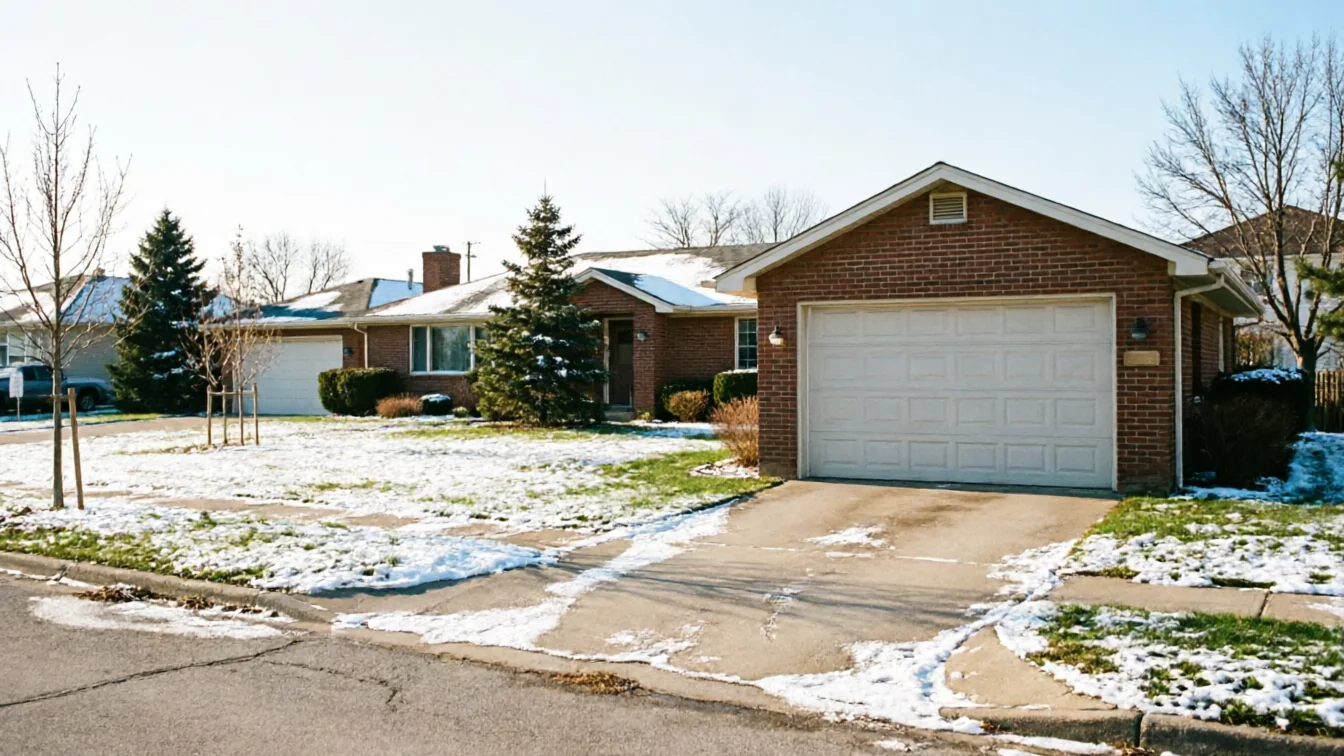
Start with where the garage sits relative to the house. In an attached garage, the door shares a wall and often a ceiling line with heated living space, so the inside face of the door stays a few degrees warmer than outside air most of the winter. That matters for the weatherstrip at the bottom panel and the seal along the sides - they're working against a smaller temperature swing than a detached door sees.
A detached garage, common on the older end of the housing stock in Crystal Lake's service area (homes here run 1952 to 2009, median build year 1986), usually has no heat source at all. The slab and the door track sit at outdoor temperature all winter. Check the bottom seal for cracking and check the track for ice buildup at the base - both show up faster on a detached, unheated structure than on an attached one.
Also check the header above the door. On attached garages built mid-era, the opener and header hardware were often installed with the house framing, so a sagging header shows up as a door that binds at the top corners. On detached garages, check the slab-to-track gap instead - settling shows there first.
One thing I won't do over the phone: guess whether your header is sagging from age or from a bad install. That needs eyes on it.
How Local Conditions Play In
Crystal Lake sits in a cold, moderate climate band, and the gap between attached and detached matters most right at the freeze-thaw line. An attached garage, warmed indirectly by the house, rarely drops cold enough for long enough to crack a seal outright - the failure mode there is usually condensation dripping off a cold metal panel onto the slab, which rots the bottom of a wood jamb over years.
A detached garage swings with outdoor temperature directly. That bottom seal takes the full cold, and so does the spring. Torsion springs lose a little tension in deep cold regardless of garage type, but in a detached structure the metal itself gets colder, so the spring is stiffer and the opener strains harder on the first pull of the morning. That's the call I get most in January from the detached-garage side of town.
Housing stock here runs mostly 1980s and 1990s across the named areas in this service area, which means a lot of doors and openers are on their second or third hardware generation already. The attached/detached split doesn't change the age of the equipment - it changes which part of that equipment takes the worst of the cold first.
Season by Season
Fall - check weatherstrip on both types before the first hard frost. On detached garages, also check for gaps where the slab has settled away from the door track, since that's where cold air and meltwater get in first.
Winter - attached garage doors mostly need the condensation watched: wipe the inside panel if you see moisture beading, and keep an eye on the bottom corner of a wood jamb if your house is from the earlier end of the 1952-2009 range. Detached garage doors need the spring and opener watched; a door that groans or hesitates on the first open of a cold morning is telling you the torsion spring is working harder than it should.
Spring - thaw cycles move slabs. Recheck the gap under a detached garage door after frost heave season; attached garages tend to move less since they share a foundation line with the house.
Summer - the easy season for both types, but a good time to lubricate rollers and hinges before the next cold stretch, since cold is when a dry roller actually seizes.
The Problem
The real issue in Crystal Lake isn't that one type of garage is worse than the other - it's that most homeowners don't know which one they have in terms of how it behaves in cold weather, and they treat both the same. Someone with a detached garage built in the 1980s-90s wave common to this area will call about a door that
Questions
Common questions
Does a detached garage need a different door than an attached one?
Not usually a different door model, but the insulation rating matters more on a detached garage since it has no heat source. In Crystal Lake's cold climate, an uninsulated door on a detached structure will see bigger temperature swings than the same door on an attached garage, which speeds up seal wear.
Why does my detached garage door get harder to open in winter?
The torsion spring sits at outdoor temperature all winter in a detached garage, and cold metal is stiffer. An attached garage benefits from some residual heat through the shared wall, so the spring doesn't cool as far. Either way, a door that's noticeably harder to lift on cold mornings is worth having checked before the spring fails outright.
Is condensation on my attached garage door a real problem?
It can be, over time. Warm, moist air from the house side meeting a cold metal door panel causes beading that drips onto the slab or jamb. On older homes in this area with wood jambs, repeated moisture there can rot the base of the jamb over several winters.
Recommendation
You Might Also Like
More garage door guides for Crystal Lake homeowners.
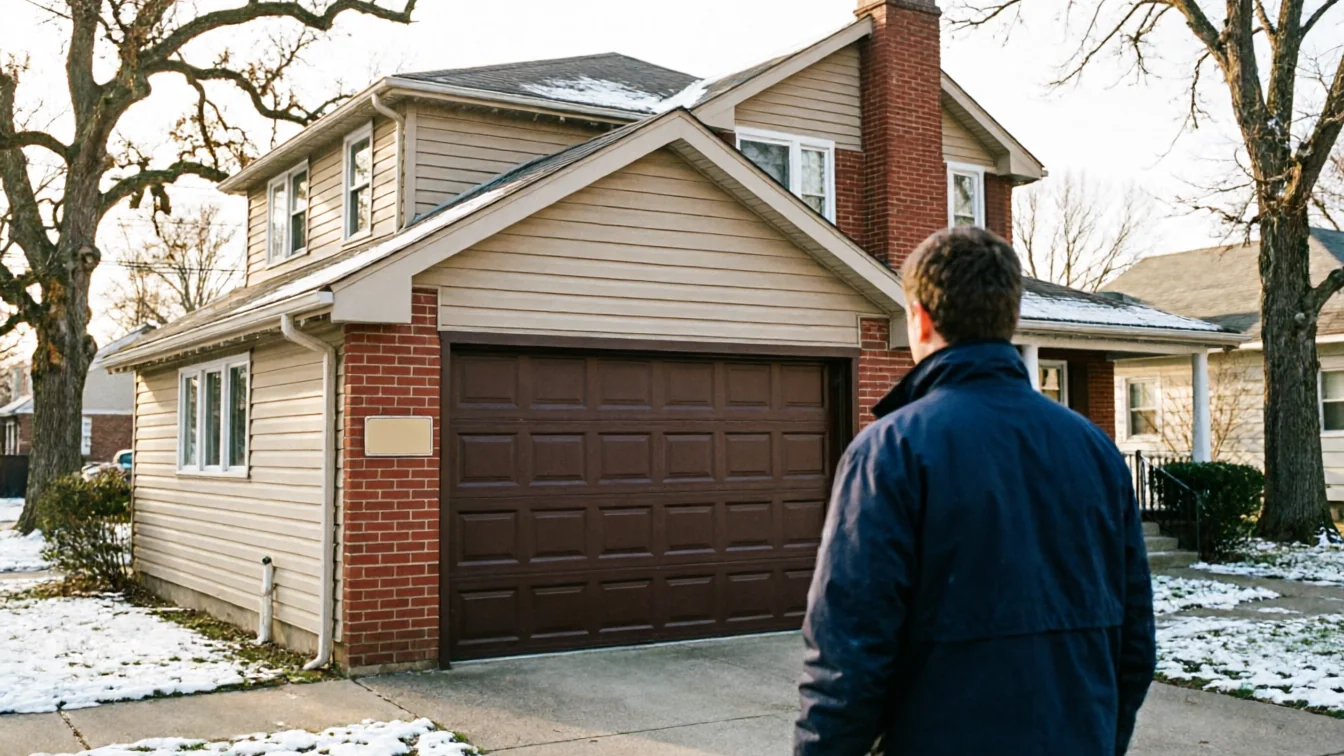
What a Replacement Garage Door Needs to Handle in Crystal Lake
Crystal Lake homes were mostly built between 1952 and 2009, in a cold climate zone.
Read guide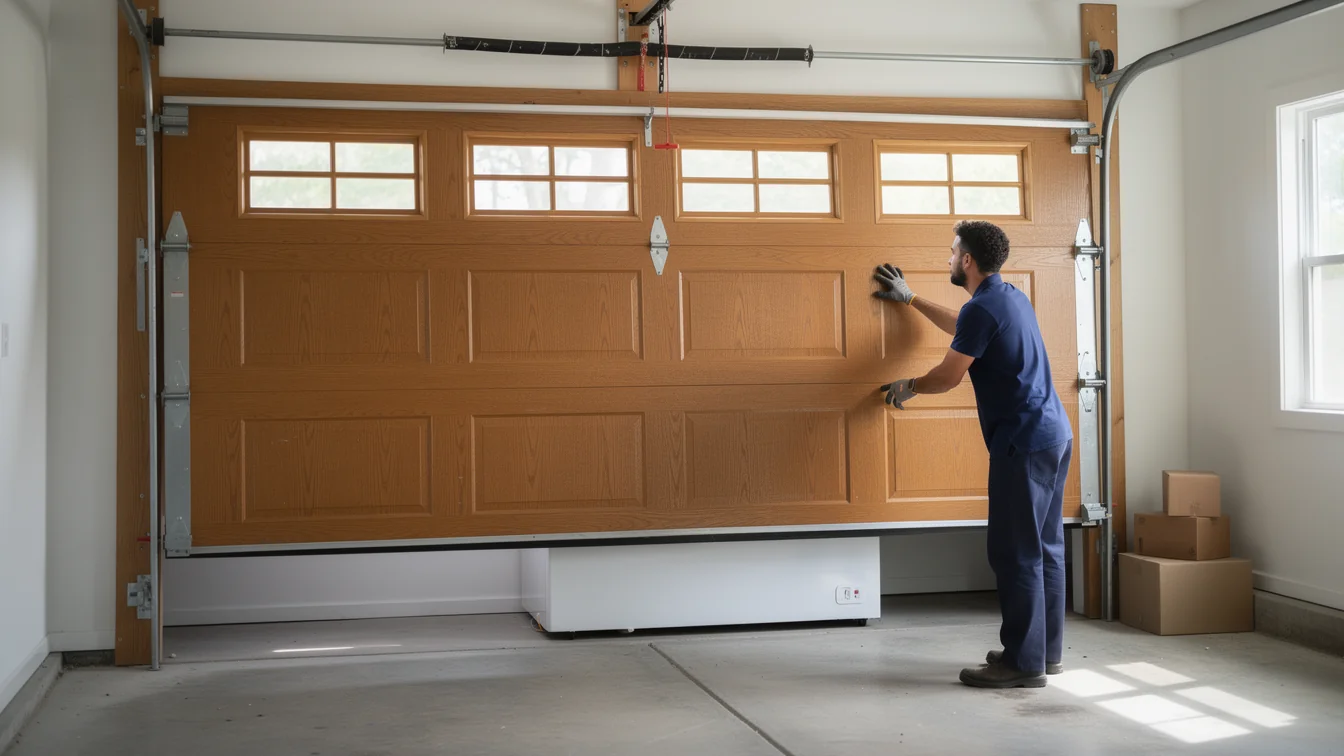
The Order We Check a Door In Around Crystal Lake
Crystal Lake houses built between 1952 and 2009, median year 1986, carry original hardware that a cold-climate winter finds fast.
Read guide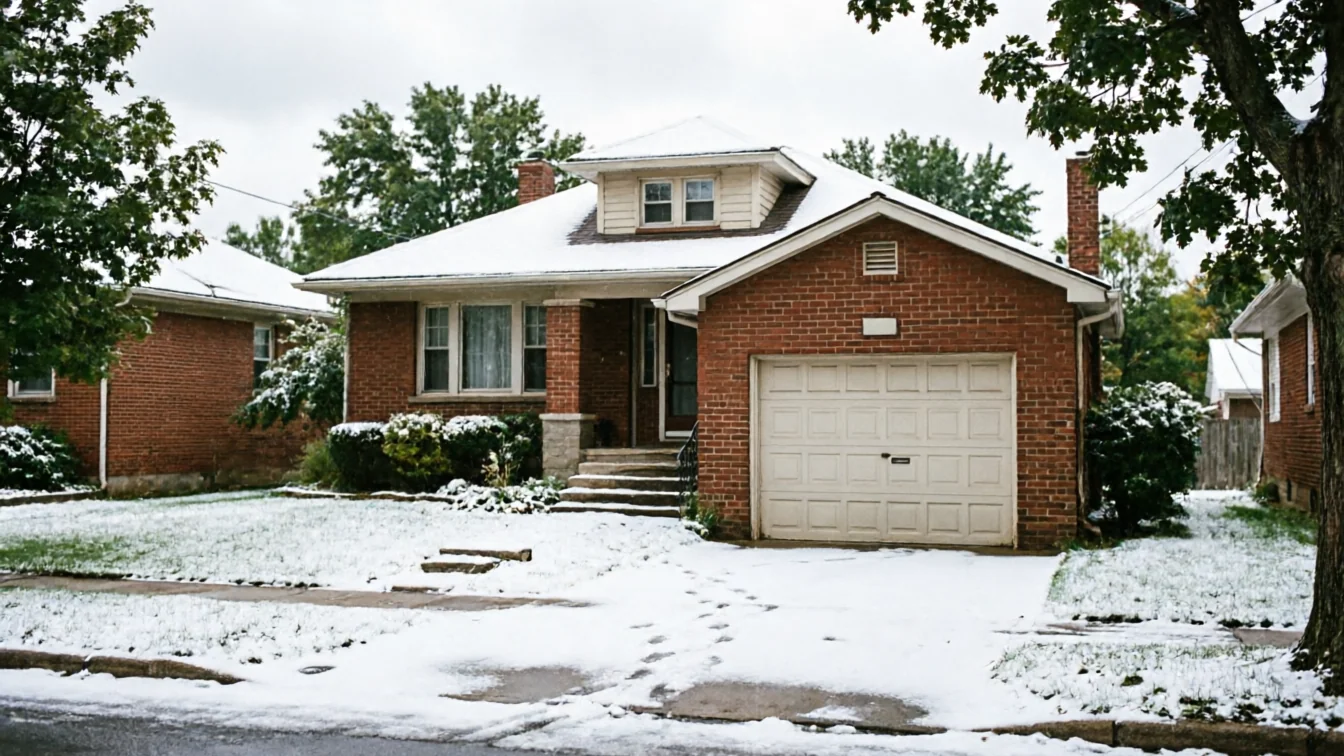
Cold-Weather Spring Failures in Crystal Lake Garages
Crystal Lake homes built mostly in the 1980s and 90s face cold-weather spring failures.
Read guideReady when you are
Need a garage door sorted in Crystal Lake?
Crystal Lake Garage Door Pros repairs and installs garage doors, springs and openers in Crystal Lake, IL and the surrounding area.