
Blog
Knowing When a Repair Isn't Worth It Anymore
A look at when a garage door repair stops making sense for Crystal Lake homes built mostly in the 1980s and 90s, and what the area's cold winters do to aging hardware.
What to Check
Before you call anyone, look at three things: the spring, the track, and the opener. If a torsion spring has snapped, that's almost always a straight repair - springs wear out on a schedule and replacing one doesn't say anything bad about the rest of the door. If the track is bent or the rollers are chewed up, check whether the door is original to the house. A lot of Crystal Lake homes were built between 1952 and 2009, with the bulk of that stock going up in the 1980s and 90s, so a door that's never been replaced is likely 30-plus years old.
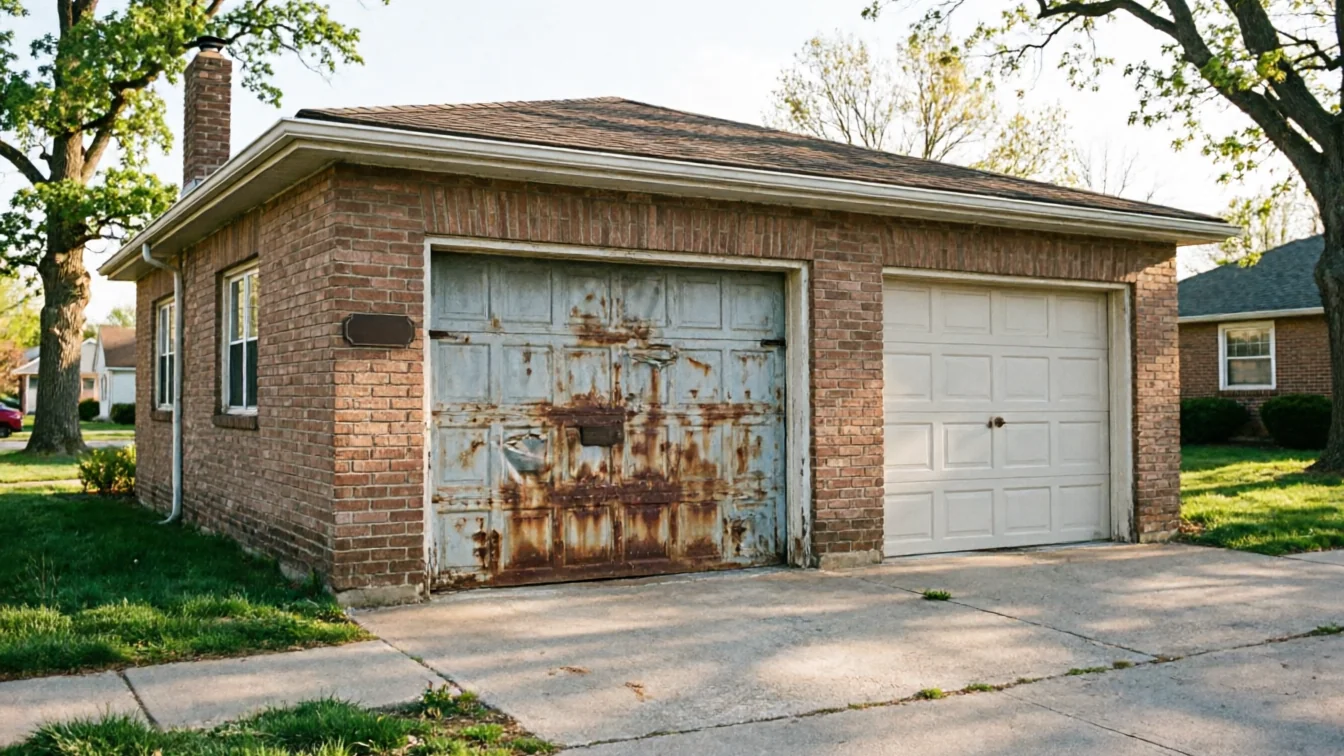
An opener from that era is the bigger tell. If it's a chain-drive unit with no battery backup, no rolling-code security, and a motor that's starting to groan on every cycle, you're not looking at a repair - you're looking at a unit near the end of what it was built to do. Check the panels too. Steel panels from the 80s and 90s often don't have the insulation or seal fit that current doors carry, and if they're dented or rusting at the bottom corner, that's a structural issue, not a cosmetic one.
Write down what you find before you decide anything. A cracked panel next to a tired opener is a different conversation than one bad roller on an otherwise sound door.
How Local Conditions Play In
Crystal Lake sits in a cold, moderate climate band, and that matters more to a garage door than most homeowners expect. Steel contracts in cold weather, which tightens tolerances on tracks and hinges that were already worn loose. A door that limped through a mild October can bind or jump the track the first hard-freeze week in January, and that's when a marginal repair turns into a full failure.
This is especially relevant on the 1980s and 90s-built housing that makes up most of the area - doors and openers from that period weren't speced for the kind of insulation and weatherstripping standards used now, so the cold hits the mechanism directly, not just the slab. On an older door, we see more cable fraying and spring fatigue through the winter months than in summer, simply because the metal is working harder in the cold.
If your door is already showing wear and you're heading into another winter on the same torsion spring or the same opener drive gear, that's the point to weigh repair against replacement rather than patch it one more time and hope it holds.
Season by Season
Fall is when problems from summer humidity show up as a door that's suddenly noisy or slow - swollen panel seams tightening against the track. That's usually a repair, not a replacement call. Winter is the hard season here: cold-band temperatures stiffen lubricant, shrink metal tolerances, and put the most load on springs and cables. If a spring goes in January on a door that's already 25-plus years old, replacing just the spring without looking at the rest of the hardware is a short-term fix.
Spring brings the freeze-thaw cycle that can shift a slab or a track bracket slightly, which is often the real cause behind a door that suddenly won't align right after winter. Summer is lighter on garage doors mechanically, but it's a good time to do the full look-over, since nothing's under cold-weather stress and you can see wear clearly.
The pattern worth watching: if you're calling for a repair every winter on the same aging door, the cold isn't the root cause - it's just exposing a door and opener that are past the point where individual fixes make sense.
The Problem
The real issue with a lot of Crystal Lake garage doors isn't any single broken part - it's that the housing stock here skews older, with a median build year around 1986, and doors and openers from that generation are reaching the point where parts for them are harder to source and the hardware itself is fatigued across the board, not just at the point that failed. Replacing a cable on a 35-year-old track assembly might hold for a season, then the next weak point gives out in the cold.
We'll be honest about this: if you're past two or three repairs in two years on the same door, or the opener is original to a 1980s or 90s build, the math usually favors replacement over keeping a single aging unit limping through another winter. That said, we don't push replacement on a door that just needs one part - a good torsion spring or a new roller set can easily buy another decade on a door that's otherwise sound. The decision comes down to whether you're fixing one thing or patching a system that's wearing out everywhere at once.
Questions
Common questions
How old does a garage door have to be before repair stops making sense?
There's no fixed age, but once a door is pushing 25-30 years - common for Crystal Lake homes built in the 1980s or 90s - and you're replacing a second or third part within a couple years, repair costs start adding up to more than a new door and opener would cost outright.
Why do garage doors fail more in winter here?
Crystal Lake sits in a cold, moderate climate band. Steel tracks and torsion springs tighten up and work harder in cold temperatures, which puts more strain on hardware that's already worn. A marginal part often fails in the first hard freeze rather than mild fall weather.
Is it ever better to just replace the opener and keep the door?
Yes, if the door panels and track are sound but the opener is an old chain-drive unit without modern safety features, replacing just the opener is often the right call rather than replacing the whole door.
Recommendation
You Might Also Like
More garage door guides for Crystal Lake homeowners.
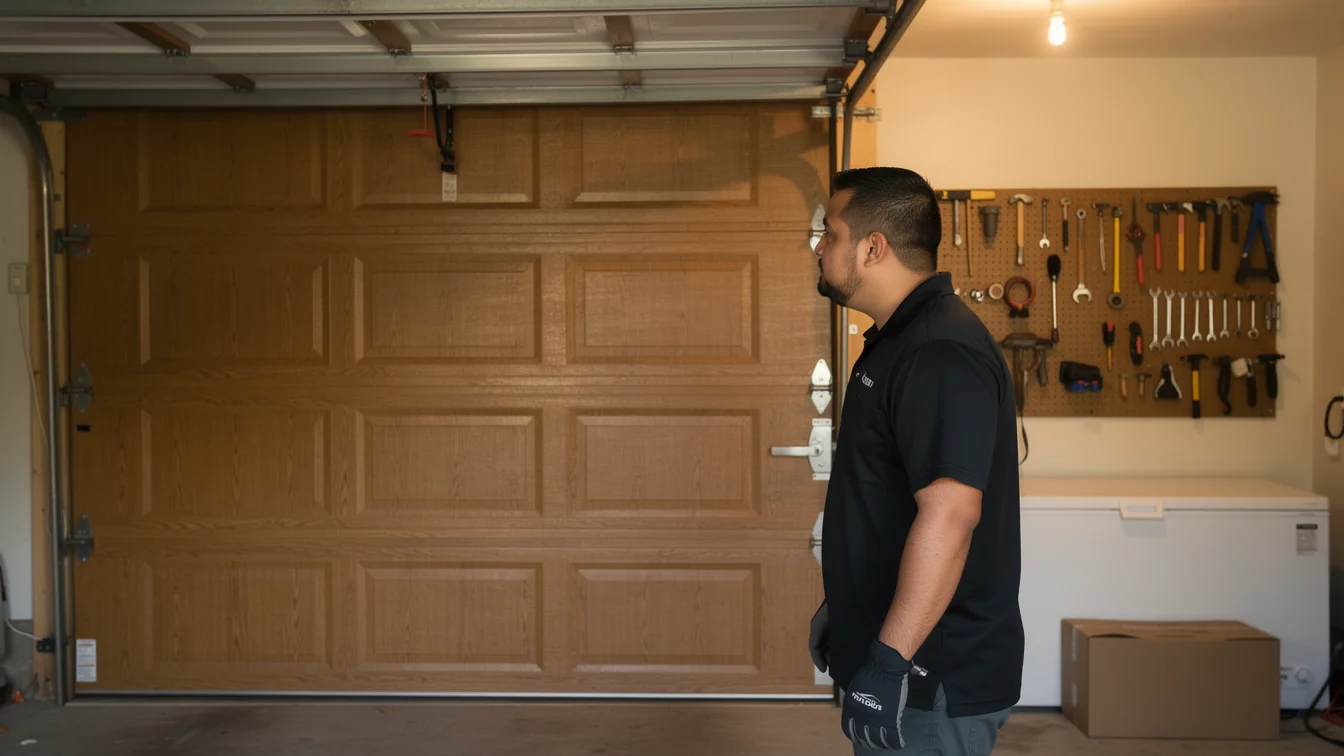
What That Noise From Your Garage Door Is Actually Telling You
Crystal Lake homes built mostly in the 1980s and 90s face real door wear from cold winters and wide seasonal swings.
Read guide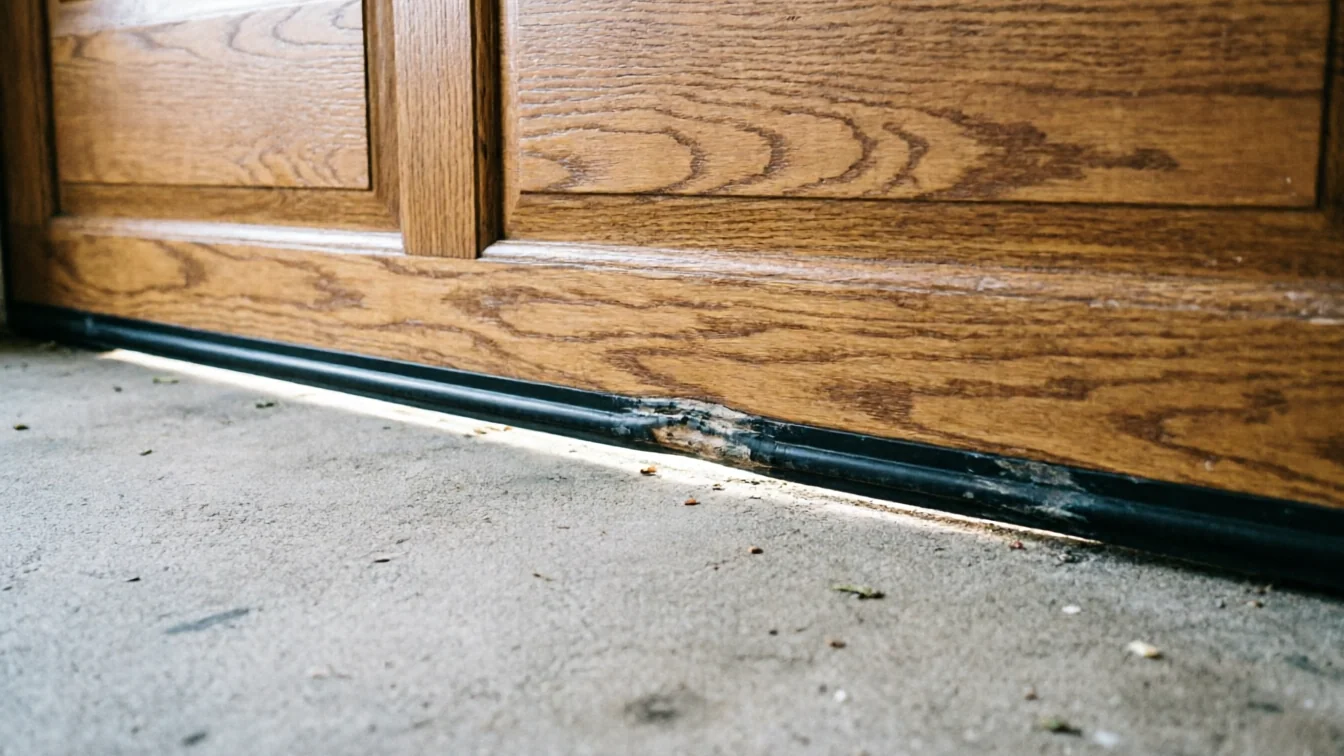
Why Garage Doors in Crystal Lake Leak Cold Air
Crystal Lake homes built mostly in the 1980s and 90s see worn weather seals and draughts around garage doors once cold winters hit.
Read guide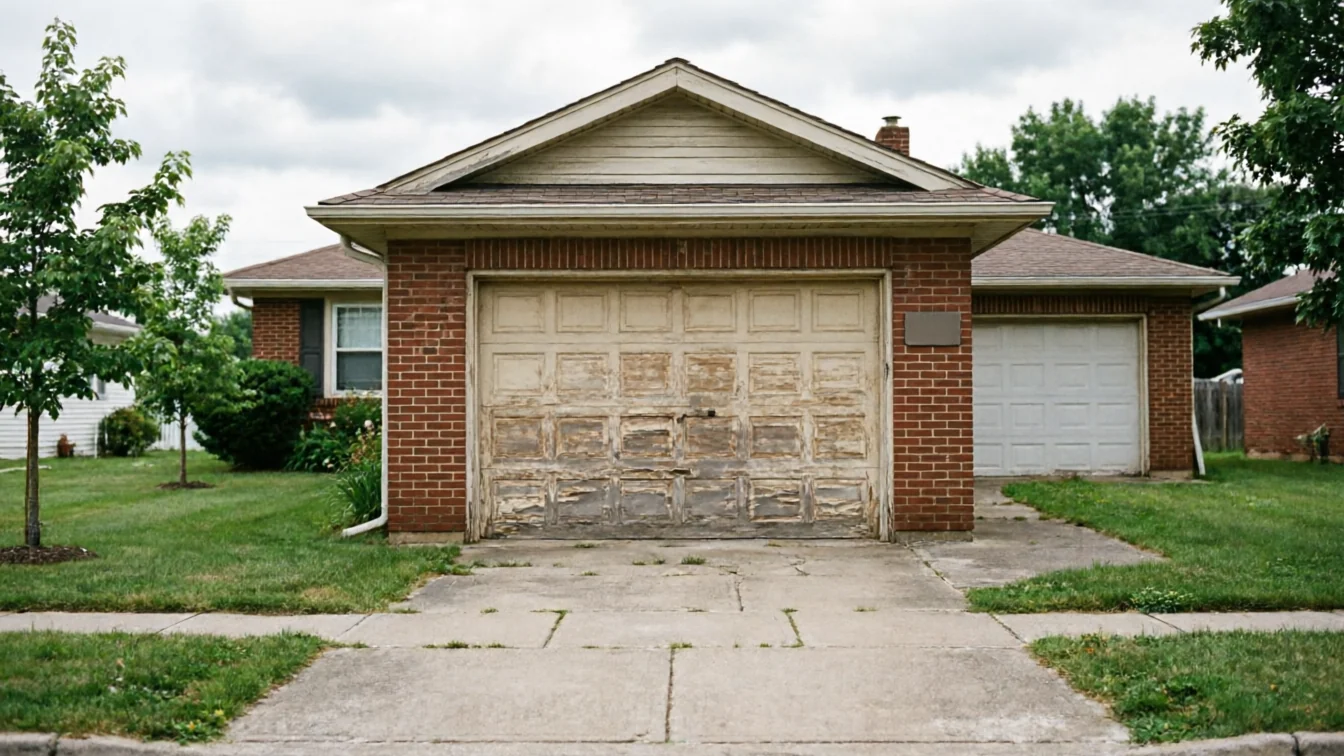
Is Your Crystal Lake Garage Door Worth Fixing or Replacing?
Crystal Lake homes mostly date 1952-2009, median 1986, with cold-moderate winters.
Read guideReady when you are
Need a garage door sorted in Crystal Lake?
Crystal Lake Garage Door Pros repairs and installs garage doors, springs and openers in Crystal Lake, IL and the surrounding area.