
Blog
What That Noise From Your Garage Door Is Actually Telling You
Crystal Lake homes built mostly in the 1980s and 90s face real door wear from cold winters and wide seasonal swings. Here's what each noise actually means.
What to Check
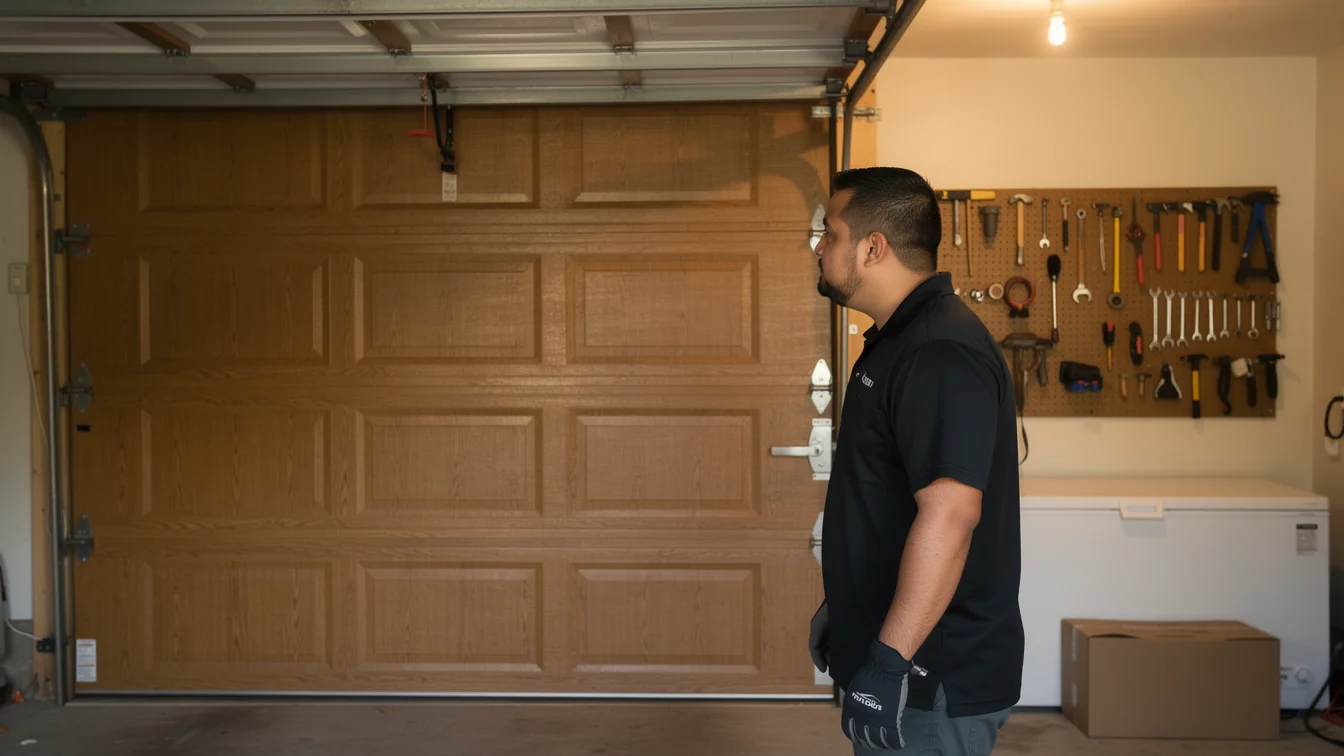
Start with the hardware, not the noise itself. Housing in this area went up mostly between 1952 and 2009, with the median home dating to 1986, so a lot of torsion springs and openers out there are original or close to it. If your door groans when it lifts, check whether the spring is a torsion unit over the header or a pair of extension springs along the horizontal tracks - the 1980s and 90s stock we see most often around here runs torsion, and those springs are rated for a set number of cycles, not years. A door that's done 10,000-plus cycles since the Reagan era is due, noise or not.
Next, look at the rollers. Steel rollers on nylon bushings were standard through that build era and they dry out, which shows up as a grinding or squeal on the way up. Check the track brackets too - loose lag bolts on a 30-plus year old jamb are common and they'll produce a distinct metal-on-metal bang every time the door passes that spot. If the noise is a rhythmic thump tied to one panel, it's usually a worn hinge, not the opener. Don't assume the loudest part is the broken part.
How Local Conditions Play In
This area sits in a cold, moderate climate band, and that matters more than most homeowners think. Steel expands and contracts with every freeze-thaw cycle, and a track that was shimmed true in July can be a sixteenth of an inch out of plumb by February. That's enough to turn a quiet door into one that scrapes or bangs at the same spot every single cycle through the cold months.
Lubricant matters here too. Grease that's fine in a warmer climate gets stiff in a real cold snap, and a stiff lubricant on an older torsion spring makes the opener work harder, which you'll hear as a labored, grinding cycle rather than a smooth roll. Weatherstripping on doors from the 1980s and 90s build era is usually original rubber, and rubber that's cracked from decades of temperature swings lets cold air whistle past the bottom seal - a sound people often mistake for a door problem when it's actually just the seal. None of this is dramatic. It's slow wear from a climate that asks steel and rubber to expand and contract on repeat, year after year.
Season by Season
Late fall and early winter is when we hear the most calls about sudden snapping noises, and it's almost always a torsion spring letting go as the first hard cold sets in - cold steel is more brittle, and a spring that's been quietly fatiguing for 30-plus years picks the coldest morning to finally give. If your door suddenly feels heavy and the opener strains, that's your spring, not your opener.
Deep winter brings a different noise: a dragging scrape as ice and condensation build on the track, especially on the north-facing wall of the garage where sun never hits. Spring thaw is when slabs that have heaved slightly through the cold months settle back, which can throw an older track out of alignment just enough to produce a new rattle that wasn't there in January. Summer tends to be the quiet season for this climate band - it's the one stretch where wear is slow rather than sudden, so it's the better time to get ahead of a spring replacement before the next cold snap turns it into an emergency call.
The Problem
Here's the honest part: a lot of the noise coming from 1980s and 90s-era doors isn't a lubrication fix, it's a hardware that's reached the end of its rated life. We can quiet a dry roller or a loose bracket in twenty minutes, but if your torsion spring is original to a home with a median build year of 1986, no amount of lube is going to make that cycle count reset. At some point the honest call is spring and roller replacement, not another service visit.
We also can't do much about openers from that era once the circuit board itself is going - some of those units simply aren't built the way current ones are, and repair parts for boards that old aren't something we stock or can always source. If your opener motor is original to a house built in the 1950s through the 1980s building wave common here, replacement is usually the more honest answer than chasing a repair. We'll tell you straight which one you're looking at before we touch anything.
Questions
Common questions
Why does my garage door only make noise in the winter?
Cold steel contracts and gets stiffer, and lubricant that worked fine in summer can thicken up in a real cold snap. Combined with a track that's shifted slightly from freeze-thaw movement in the slab, that's usually enough to turn a quiet door into one that scrapes or bangs at the same spot every winter cycle.
My house was built in the 1980s - is the door original?
A lot of homes in this area were built between 1952 and 2009 with a median around 1986, and it's common for the original torsion spring and opener to still be in place. If nobody's replaced the spring, it's likely done tens of thousands of cycles and is past its rated life, regardless of how it sounds right now.
Is a loud bang always a broken spring?
Not always, but a sudden loud bang followed by the door feeling heavy to lift almost always is. A rhythmic thump tied to one spot on the door, by contrast, is usually a worn hinge or loose track bracket, not the spring.
Recommendation
You Might Also Like
More garage door guides for Crystal Lake homeowners.
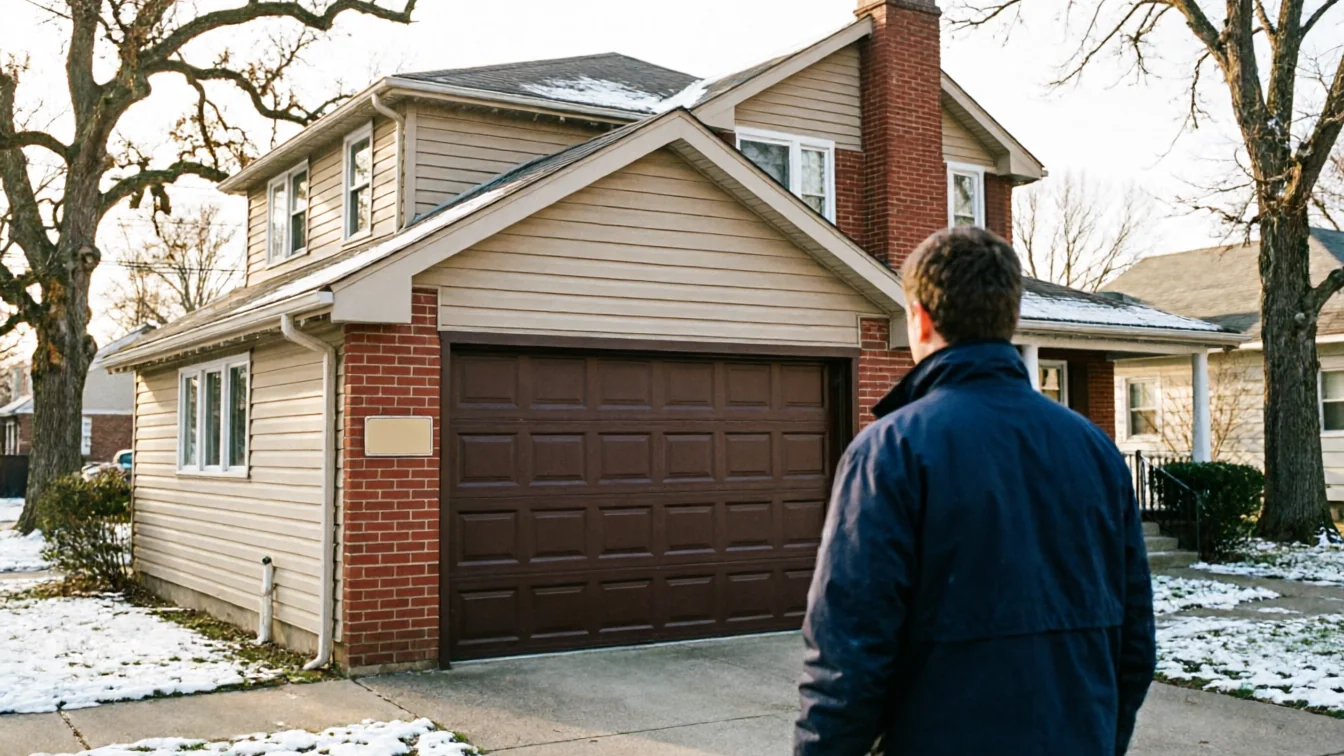
What a Replacement Garage Door Needs to Handle in Crystal Lake
Crystal Lake homes were mostly built between 1952 and 2009, in a cold climate zone.
Read guide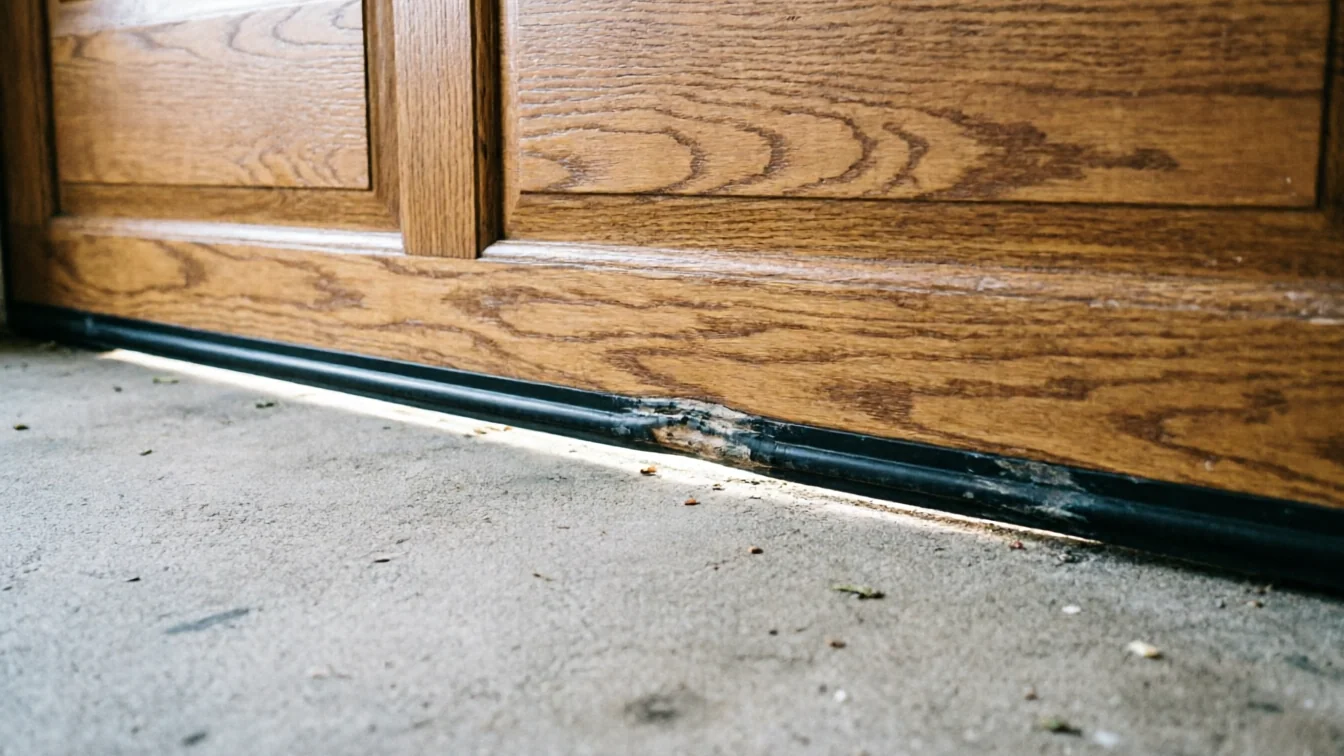
Why Garage Doors in Crystal Lake Leak Cold Air
Crystal Lake homes built mostly in the 1980s and 90s see worn weather seals and draughts around garage doors once cold winters hit.
Read guide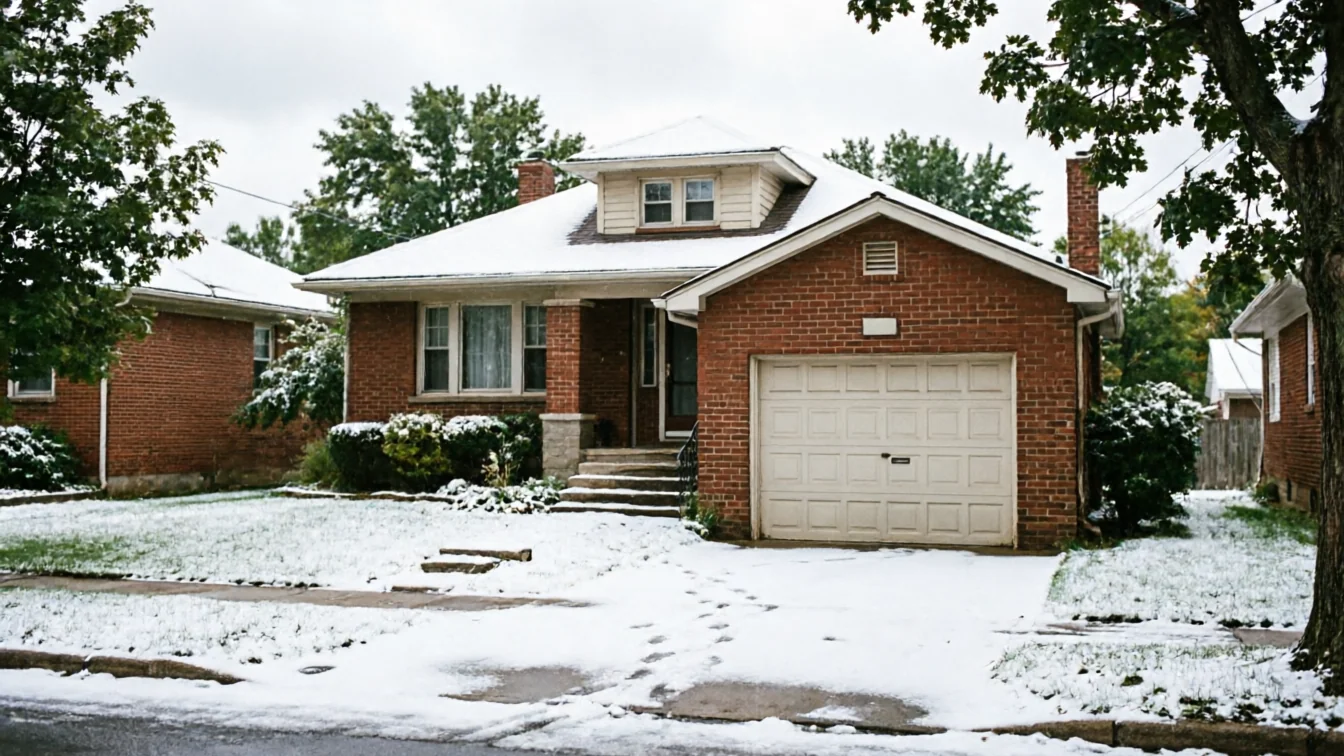
Cold-Weather Spring Failures in Crystal Lake Garages
Crystal Lake homes built mostly in the 1980s and 90s face cold-weather spring failures.
Read guideReady when you are
Need a garage door sorted in Crystal Lake?
Crystal Lake Garage Door Pros repairs and installs garage doors, springs and openers in Crystal Lake, IL and the surrounding area.