
Blog
Cold-Weather Spring Failures in Crystal Lake Garages
Crystal Lake homes built mostly in the 1980s and 90s face cold-weather spring failures. Here's what to check, why it happens, and how to handle it right.
What to Check
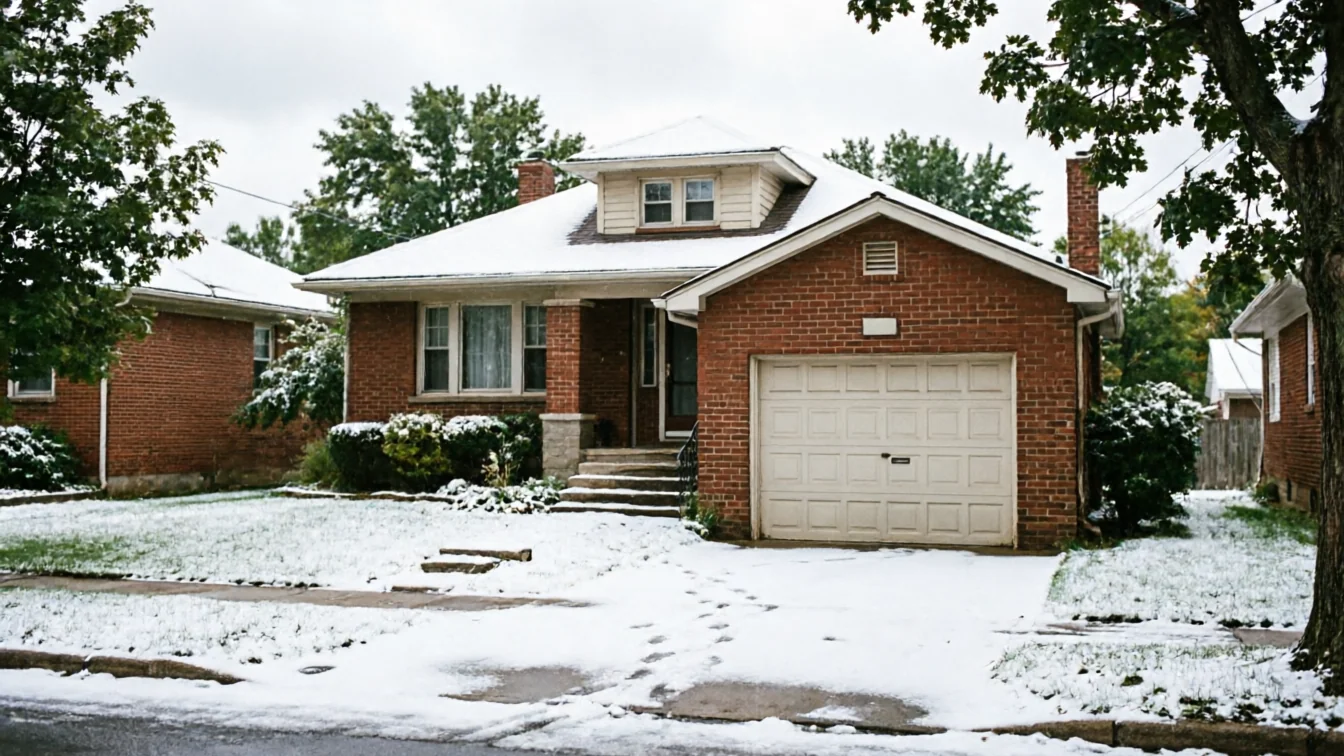
Start with the spring itself, not the opener. Most of the houses here went up between 1952 and 2009, with the typical build year sitting at 1986, which puts a lot of original torsion springs well past their rated cycle count. If your door is from that era and nobody's touched the spring, look for a visible gap in the coil - a clean break shows as a sharp separation, usually near one end where the winding cone sits. Check the cable drums too; on a lot of 1980s and 90s installs around here the galvanized coating has started to flake, and a frayed cable paired with a tired spring is how a door comes down hard instead of settling. Listen for a bang from the garage on a cold morning - that's almost always the spring letting go, not the opener motor. Don't try to lift a door manually once a spring has snapped; the counterbalance is gone and the door's full weight is now on your arms and on whatever track hardware is left. If the door won't budge, or it opens a few inches and stops, that's consistent with a broken spring, not a sensor issue. Take a photo before you call anyone - it helps us figure out if we're dealing with a torsion or extension setup before the truck even leaves.
How Local Conditions Play In
This area sits in a cold, moderate climate band, which matters more for garage door springs than most people assume. Steel contracts as it gets cold, and a torsion spring that's already fatigued from decades of cycling loses tensile give right when the temperature drops - it doesn't bend, it snaps. Crystal Lake sits close enough to Lake in the Hills, Prairie Grove, and Cary, all four to five miles out, that the same cold snaps hit every one of these driveways at once, which is why spring calls cluster hard on the first real cold mornings of the season rather than spreading out evenly. Humidity swings play a role too - a garage that sits unheated through a freeze-thaw cycle puts more stress on the hardware than one in a milder climate would. None of this means the spring is about to fail on any given day. It means that in a house built during the stretch this area was mostly built in, the spring has already absorbed thousands of open-close cycles, and cold is often the final push on a part that was already close to its limit. Insulating the garage won't fix a worn spring, but it does slow down how fast a marginal one gets pushed over the edge.
Season by Season
Early winter is when most of the cold-triggered breaks happen - the first hard freeze after a mild fall catches springs that have been running fine all year. That's consistent with the broader housing stock here, where the bulk of doors across the 58 named areas in this service territory went in during the 1980s and 90s, the stretch when uncoated torsion springs were standard and corrosion protection wasn't yet common. By midwinter, a spring that survived the first freeze is usually fine until the next sharp temperature drop, but repeated freeze-thaw stress adds up. Late winter and early spring bring a second smaller wave, usually tied to doors that got extra use over the holidays and into January. Summer is the quiet season for spring failures - heat doesn't stress steel the same way cold does, though it's a better time to get ahead of a tired spring before the next cold stretch finds it first. If your door is original to a house built in the 1986 median range for this area, don't wait for a January morning to find out where the spring stands. A fall check costs less than an emergency call with the car trapped inside.
The Problem
Here's the honest part: once a torsion spring snaps, we don't patch the broken one back together, and we don't recommend running the door on one spring while you wait on a part. A double door needs both springs replaced together even if only one failed, because the surviving spring is now carrying a load it wasn't sized for and it won't be far behind. With a median household income of $110,450 across this area, most owners can afford a full spring and cable swap rather than a stopgap, but plenty still wait until the door won't move at all, which usually means the job also picks up a damaged cable or a bent track from the drop. Of the roughly 209,522 households in this service area, 125,448 are owner-occupied houses - the ones carrying their own spring maintenance instead of leaving it to a landlord. Our limitation: if the spring size isn't a stock match, the specific part sometimes has to be ordered rather than pulled off the truck same day, and we'll tell you that up front instead of guessing at a fit that won't hold up through next winter.
See our site for more.
Questions
Common questions
Why did my spring break on such a cold morning with no warning?
Steel loses some flexibility as it gets cold, and a spring that's already worn down from years of cycling tends to let go right at that point rather than slowly weakening. It's rarely sudden damage - it's usually a spring near the end of its life getting pushed over by the temperature drop.
Can I just replace the one spring that broke?
On a double door, no. Both springs are matched to carry the door's weight together. If one breaks, the other has already done extra cycles under a load it wasn't built for and is close behind it. Replacing both at once is standard and keeps you from paying for two service calls.
Is my 1980s garage door spring original?
A lot of the housing stock in this area dates to the 1980s and 90s, and many of those doors never had the spring replaced. If you don't have a record of it being swapped, assume it's original and check for visible wear, especially before the first cold stretch of the season.
Recommendation
You Might Also Like
More garage door guides for Crystal Lake homeowners.
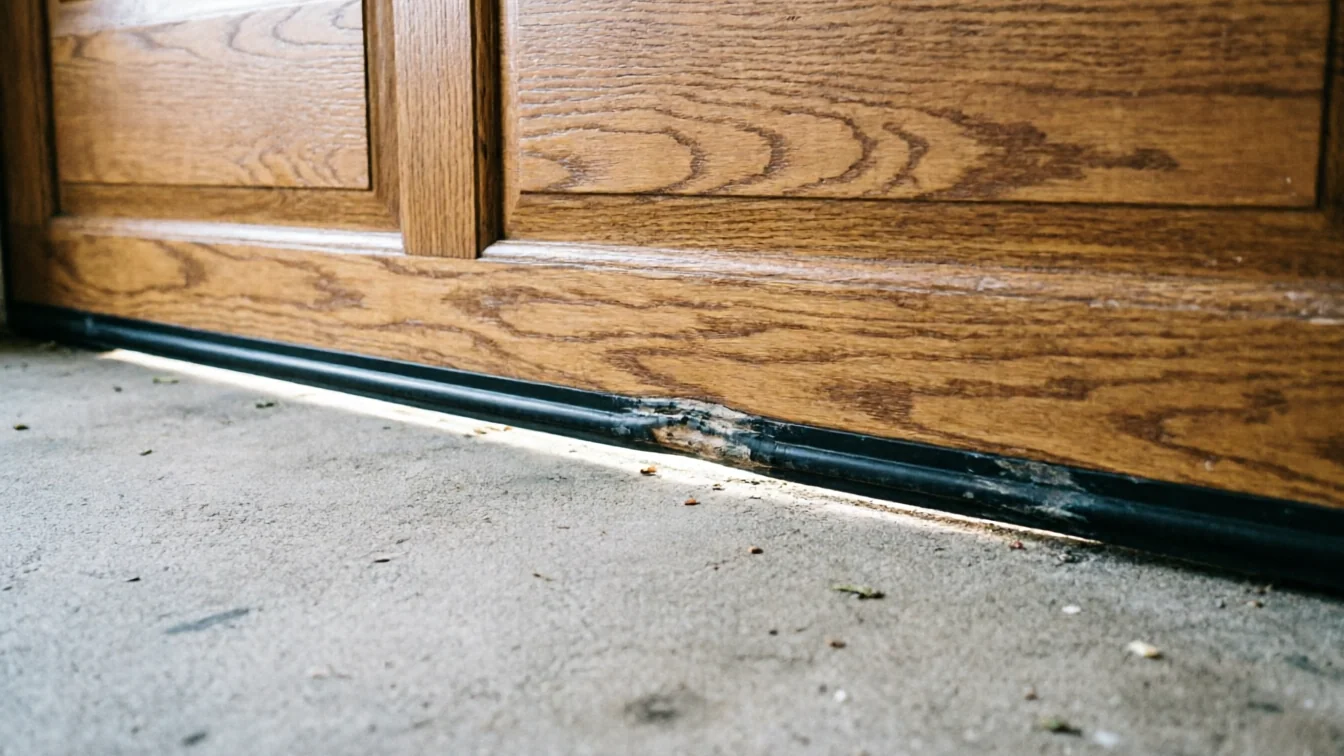
Why Garage Doors in Crystal Lake Leak Cold Air
Crystal Lake homes built mostly in the 1980s and 90s see worn weather seals and draughts around garage doors once cold winters hit.
Read guide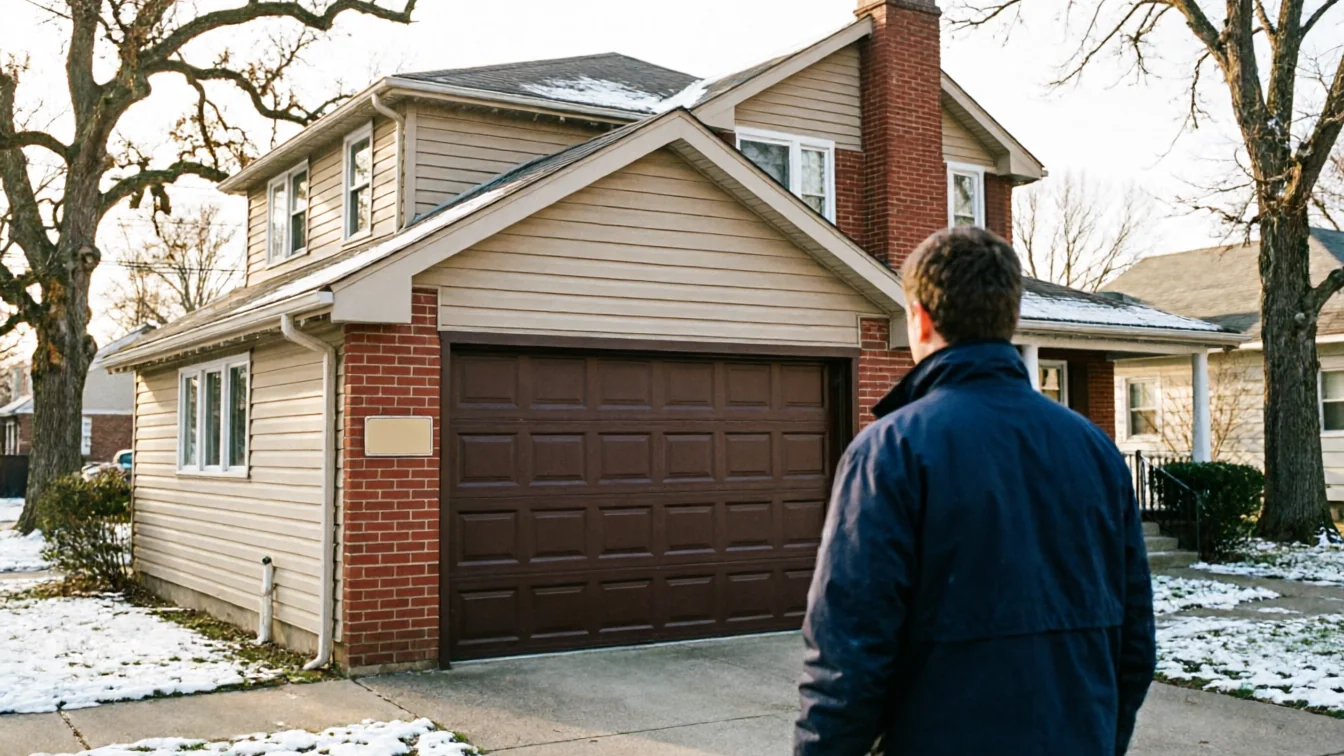
What a Replacement Garage Door Needs to Handle in Crystal Lake
Crystal Lake homes were mostly built between 1952 and 2009, in a cold climate zone.
Read guide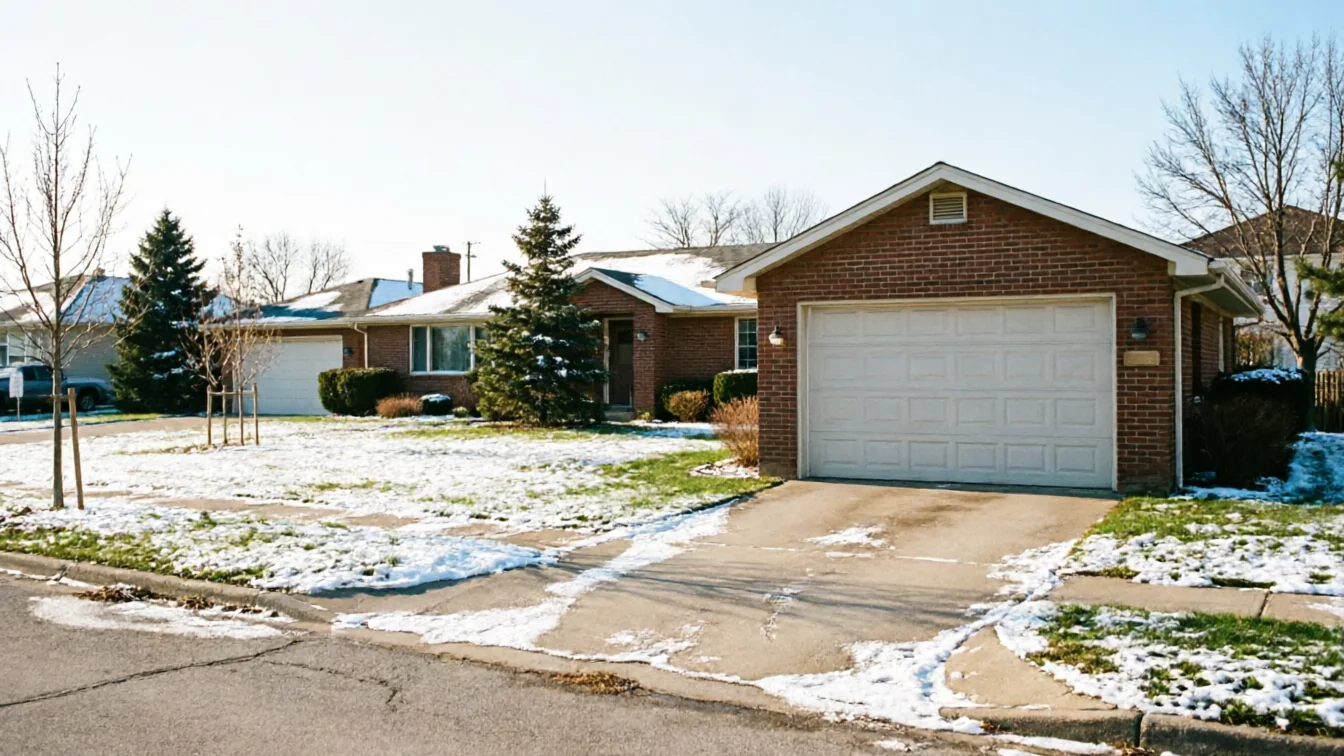
Attached or Detached: Why It Changes What Breaks on Your Garage Door
Crystal Lake homes built 1952-2009 split between attached and detached garages, and the difference changes what fails first in a cold-climate door.
Read guideReady when you are
Need a garage door sorted in Crystal Lake?
Crystal Lake Garage Door Pros repairs and installs garage doors, springs and openers in Crystal Lake, IL and the surrounding area.