
Blog
The Order We Check a Door In Around Crystal Lake
Crystal Lake houses built between 1952 and 2009, median year 1986, carry original hardware that a cold-climate winter finds fast. Here's the order a tech checks it in.
What to Check
We start with the spring, not the opener, because on a door built to the era that dominates this area - median construction year 1986 - the torsion spring has usually outlived two or three openers already. We check the wind count and bar size against what the door weighs now, since panels sag and add load over three-plus decades. Next the track: side-mount brackets from 1980s and 90s builds (the stock that makes up most of the 58 named areas in this service territory) were set to a slab that has since settled a half inch or more, so plumb is the second thing we check, not an afterthought. Rollers come third - steel on nylon bearings from that era are usually worn oval, not round, by now. We look at the bottom seal and the astragal, because a door built before current weatherstripping standards often has a gap wide enough to pull cold air straight across the slab. Last is the opener logic board. If the house still has its original chain-drive unit from the 1980s, the gears are the failure point, not the circuit board, and that changes whether we fix it or tell you to replace it.
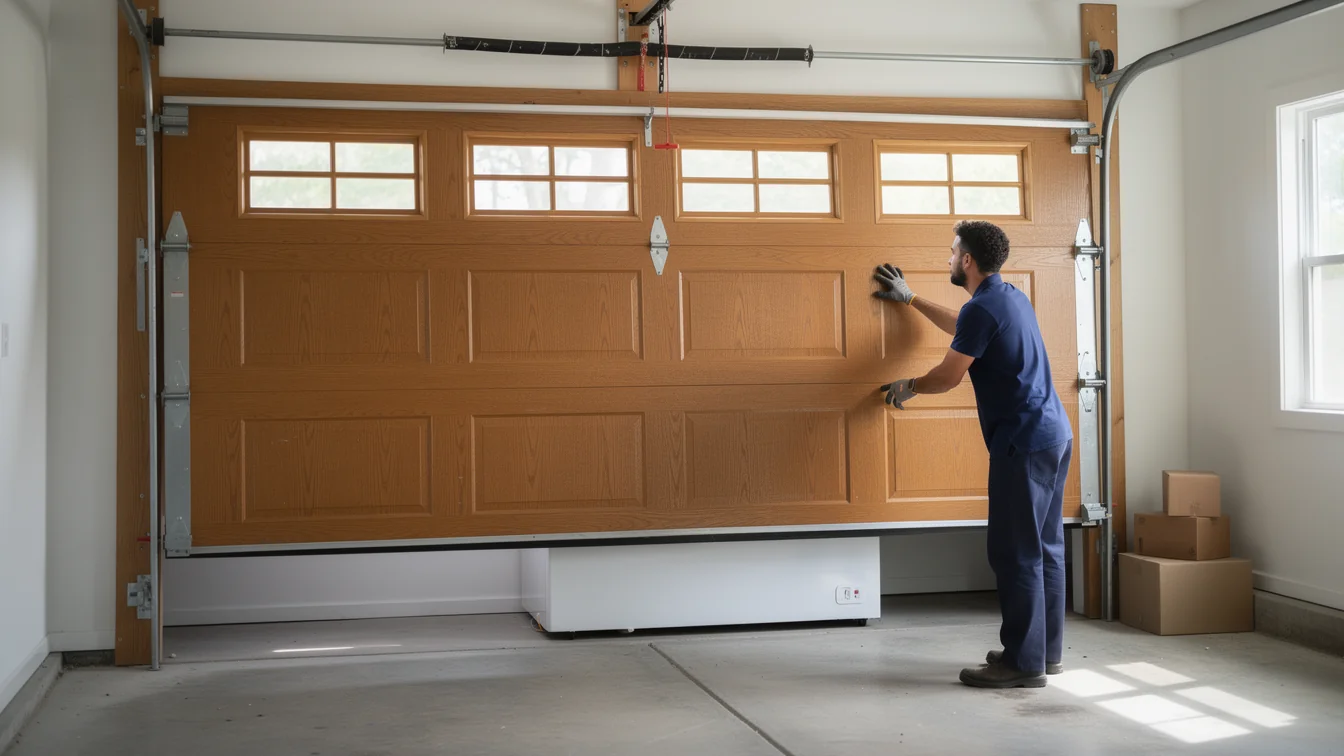
How Local Conditions Play In
This area sits in a cold moderate climate band, which means the spring doesn't just wear from cycles - it wears from temperature swing. Steel contracts in a hard freeze and a torsion spring that was fine in October can snap on the first 10-degree morning. We see this most on doors with the original extension springs rather than torsion, which was still common in the earlier end of the 1952-2009 build range. Humidity swings between a wet spring and a dry winter also work on wood jambs and steel tracks differently: wood jambs shrink and pull lag screws loose, while steel track brackets rust at the bolt line if they were never re-torqued. None of this is dramatic weather - no named storm, no flood line - it's just the slow freeze-thaw cycle that a cold moderate climate puts on anything metal and outdoors. A door that would last quietly in a milder band wears out its hardware here on a shorter clock, which is why we check spring and track condition before we touch the opener.
Season by Season
Late fall is when we get the most spring calls - the cable and spring were fine all summer, then the first hard overnight freeze finds the weak one. Deep winter brings opener trouble instead of spring trouble: cold grease in an old gear-drive unit from the 1980s-90s stock that's common here makes the motor strain and trip the breaker before it ever lifts the door. Spring thaw is track season. Frost heave under a slab edge shifts the vertical track just enough that rollers start binding, and on original side-mount hardware there's no slack built in to absorb it. Summer is panel season - steel expands, and a door that was never balanced right rides tighter at 85 degrees than it does at 40, which is when owners finally notice the opener struggling. We tell people to get the spring and track checked before the first hard freeze each year, not after, because by the time it snaps you're also looking at a cable replacement and sometimes a bent track from the sudden drop.
The Problem
The housing here runs 1952 to 2009 with a median build year of 1986, which puts a large share of doors at 35 to 40-plus years old on original hardware - springs, track, and often the first-generation opener the house came with. Across the roughly 125,448 owner-occupied houses in this service area, that's a lot of torsion bar and chain-drive units past the point where parts are easy to source. With median household income at $110,450, most owners here can afford a full hardware replacement rather than a patch, but a lot of them don't know the door is at that point until the spring lets go. One honest limit: if the track is bent from a slipped cable or a car impact, we don't just re-hang it - bent track almost always comes back out of true within a few months, and we'll tell you to replace that section rather than bill you twice.
Questions
Common questions
How old does a garage door spring usually get before it fails here
Most of the houses in this area were built between 1952 and 2009 with a median year of 1986, so a lot of original torsion springs are now 35 to 40 years old. Spring life is cycle-based, not calendar-based, but cold moderate winters add temperature stress on top of normal wear, so springs from that era tend to fail in late fall or the first hard freeze.
Why does my opener struggle more in winter
Cold grease inside an older gear-drive opener - common on houses from the 1980s-90s stock that makes up most of this area - thickens in low temperatures and makes the motor work harder to start the lift. That extra strain is often what trips the breaker or burns out the motor, not a wiring fault.
Is it worth fixing a bent track or should I replace it
We don't re-hang bent track as a rule. Once a vertical or horizontal section bends from a slipped cable or impact, it rarely holds plumb for long even after straightening, and a return visit costs more than replacing the section the first time. That's one of the limits we're upfront about.
Recommendation
You Might Also Like
More garage door guides for Crystal Lake homeowners.
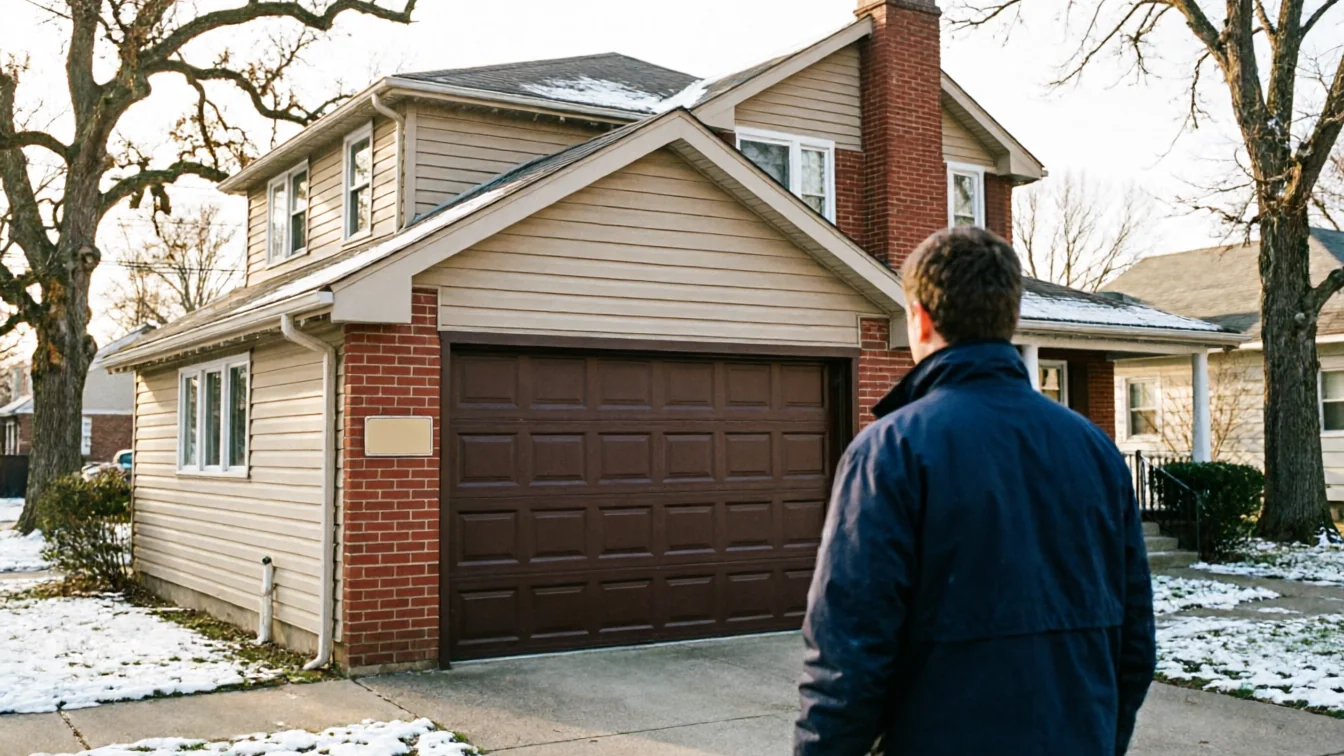
What a Replacement Garage Door Needs to Handle in Crystal Lake
Crystal Lake homes were mostly built between 1952 and 2009, in a cold climate zone.
Read guide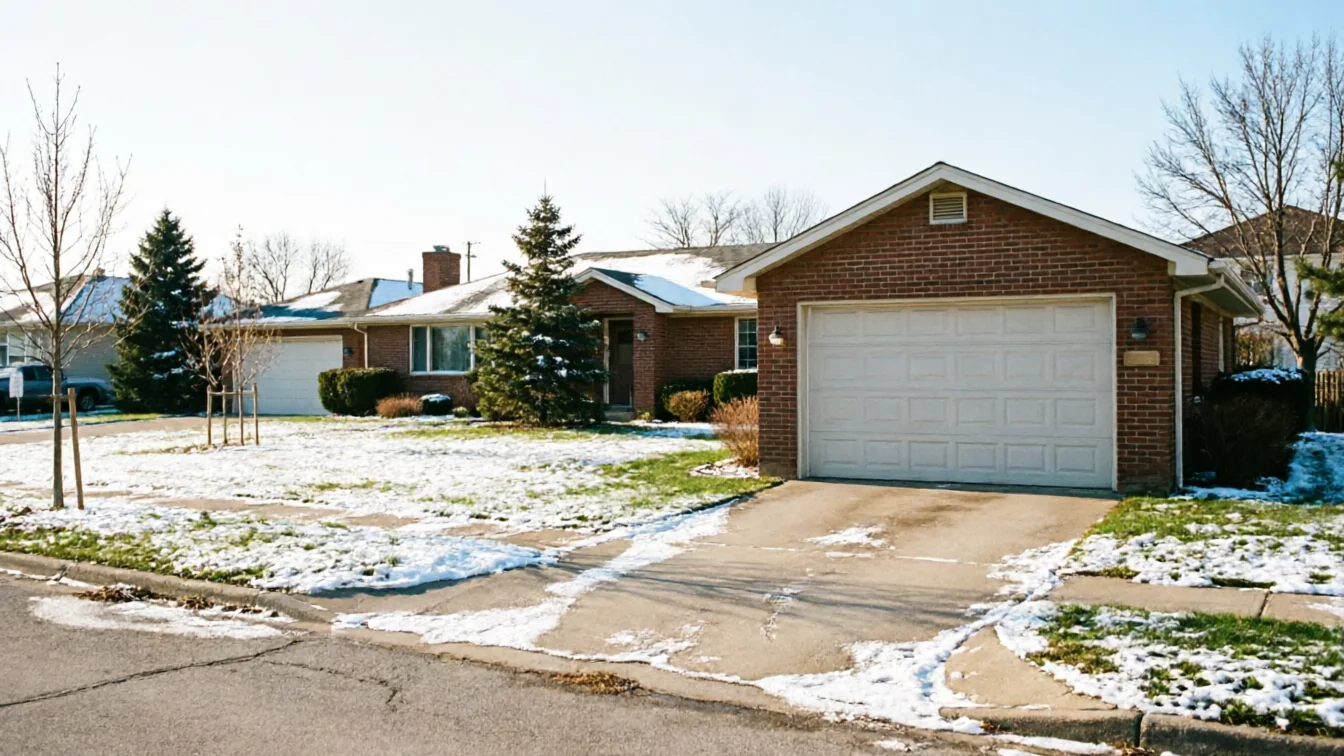
Attached or Detached: Why It Changes What Breaks on Your Garage Door
Crystal Lake homes built 1952-2009 split between attached and detached garages, and the difference changes what fails first in a cold-climate door.
Read guide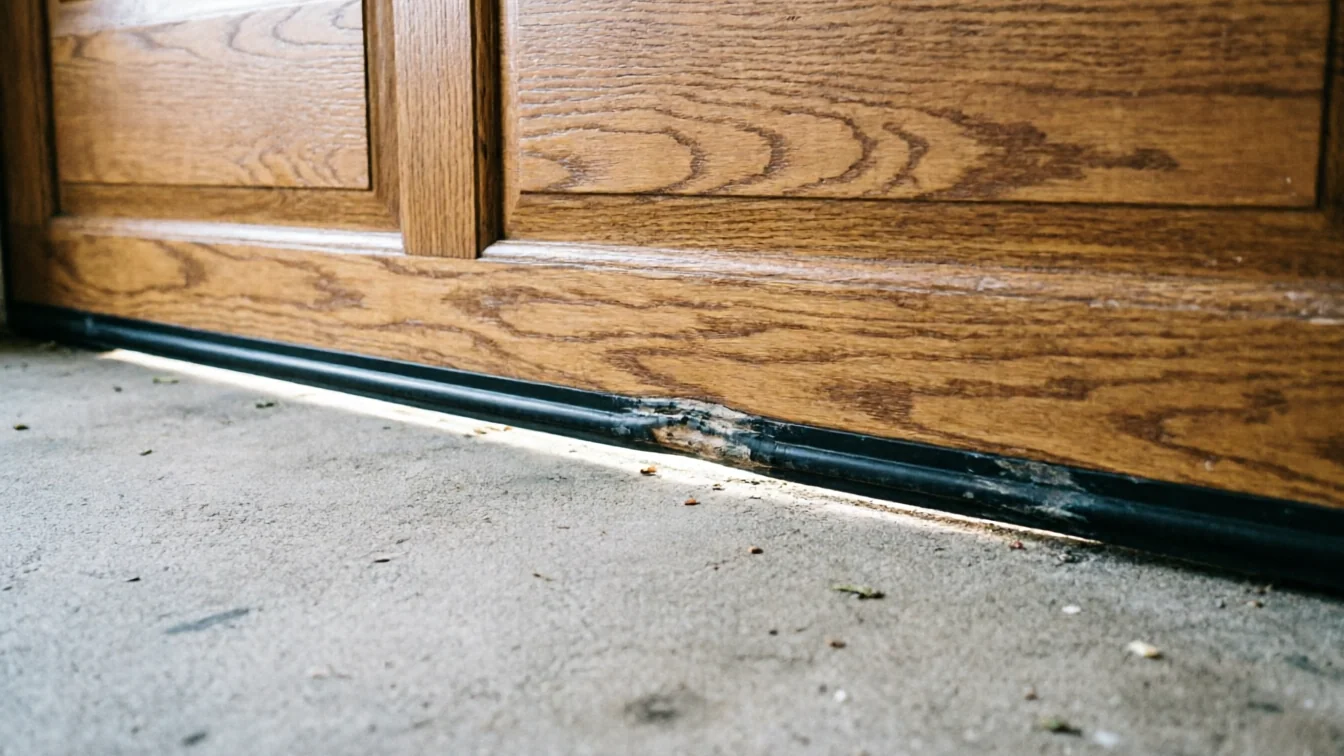
Why Garage Doors in Crystal Lake Leak Cold Air
Crystal Lake homes built mostly in the 1980s and 90s see worn weather seals and draughts around garage doors once cold winters hit.
Read guideReady when you are
Need a garage door sorted in Crystal Lake?
Crystal Lake Garage Door Pros repairs and installs garage doors, springs and openers in Crystal Lake, IL and the surrounding area.