
Blog
Safety Sensors and Why They Drift in Crystal Lake
Why garage door safety sensors go out of alignment in Crystal Lake homes built 1952-2009, how the local freeze-thaw cycle moves brackets, and what to check first.
What to Check
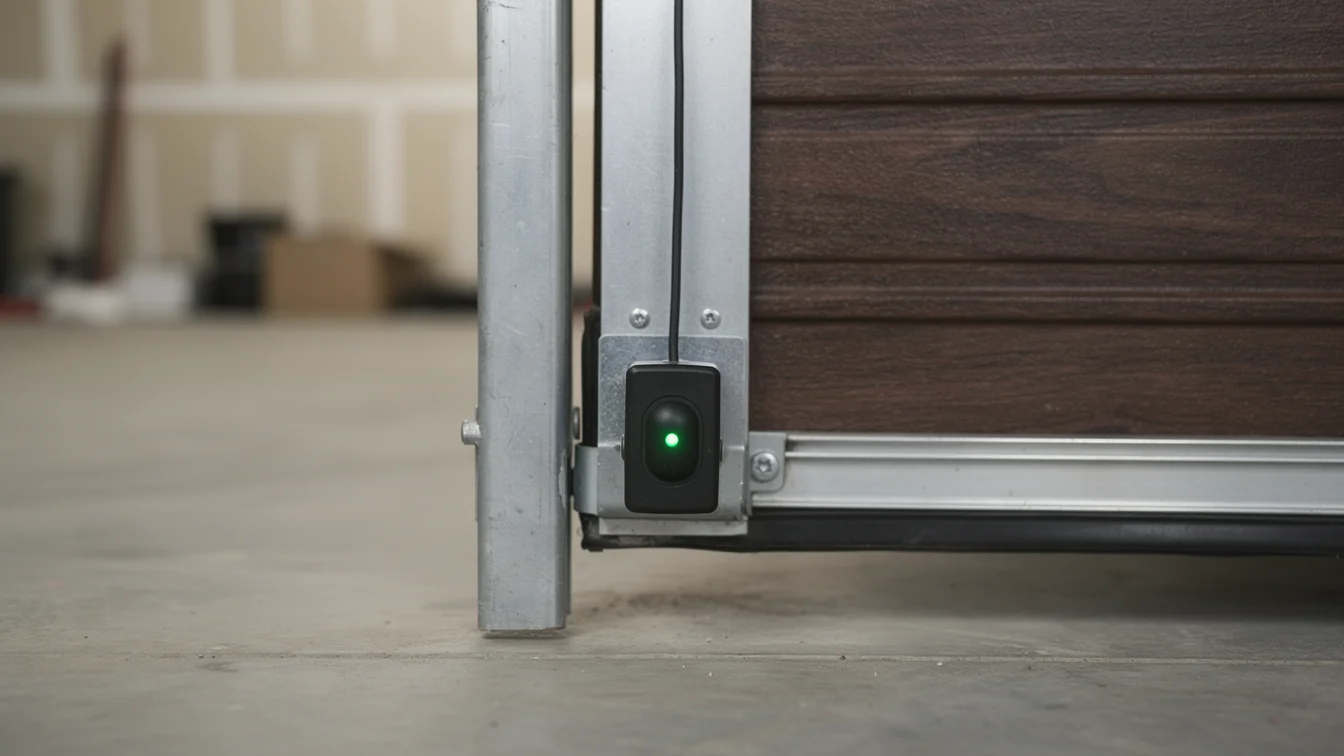
Before you call anyone, look at the two small boxes near the bottom of each track, roughly six inches off the slab. Each one has a light that should glow solid. If one blinks or stays dark, start with the lens - wipe it with a dry cloth, nothing fancy. Then sight down the brackets. On a lot of the housing stock here, built between 1952 and 2009 with the typical home dating to around 1986, those brackets are a thin metal tab bolted into a wood jamb or a track bracket that's been through decades of seasonal movement. Check if the bracket itself has rotated even a few degrees - you'll see a visible gap between where the light aims and where the receiver sits. Also check the wire. On older installs, especially anything from the 1980s-90s wave that makes up most of this stock, the sensor wire is often stapled along the jamb and that staple backs out over time, letting the wire sag and tug the bracket out of true. Don't skip the obvious: a push broom, a bike, or a recycling bin leaned against the track knocks a sensor out in one bump.
How Local Conditions Play In
Crystal Lake sits in a cold-moderate climate band, and that matters more for sensors than most people expect. The swing between a hard January cold snap and a 40-degree thaw a few days later is exactly the kind of cycling that works a mounting screw loose in wood that's expanding and contracting season after season. It's not dramatic - no single event does it. It's accumulation. A slab poured in the 1980s, which describes a large share of homes in this stock, has gone through close to forty of those freeze-thaw cycles. Concrete moves a little every time, and if the track is bolted to a slab that's shifted even a sixteenth of an inch, both sensor brackets tilt slightly out of parallel. Add a wood-framed jamb on top of that and you've got two different materials moving at two different rates, pulling the same two brackets in opposite directions over time. That's why a door that worked fine last fall sometimes won't close in February, and why wiggling the bracket back into rough alignment is often a real, if temporary, fix.
Season by Season
Fall is when loose brackets usually show up first - the ground is still settling from summer heat, screws have backed out a thread or two, and the first cold mornings make the metal track contract just enough to reveal a misalignment that was borderline all summer. Winter is the worst for actual drift: deep cold shrinks the wood jamb, slab frost heave can lift one side of the foundation a hair, and that's when a sensor that was fine in October throws an error every time the door tries to close. Spring thaw reverses some of that movement but not evenly, so a door that behaved all winter can suddenly misalign again in March as the slab settles back. Summer is the calm stretch - temperatures are stable, humidity swings are gradual, and most of the sensor calls we get this time of year trace back to something mechanical, not thermal, like a bumped bracket or a spiderweb across the lens. If you track when your door starts acting up, the month alone tells you a lot about whether it's a bracket issue or a bump.
The Problem
Here's the part worth being honest about: realigning a sensor is usually a five-minute job, but on a bracket that's been through enough seasonal cycling to bend the mounting tab itself, realignment doesn't hold. You nudge it straight, it works for a week, then the next freeze-thaw swing throws it again. At that point the fix isn't alignment, it's a new bracket, and on some of the older installs in this stock, from the 1952-2009 range with construction concentrated in the 1980s and 90s, the original bracket hardware doesn't match what's sold today, so it gets swapped for a current universal bracket rather than an exact replacement. We won't keep re-aligning the same loose bracket call after call and charging for it each time - if it's happened twice, we tell you to replace the bracket, not keep babying it. One thing we don't do: diagnose sensor drift over the phone with any confidence, because a slab tilt and a chewed-up wire look identical from a description.
Questions
Common questions
Why does my garage door sensor light blink only in winter?
Cold shrinks the wood jamb the bracket is mounted to and can shift a slab that's settled unevenly over the years, both of which tilt the sensor a few degrees out of alignment. Homes in this area built in the 1980s and 90s, a large share of the local stock, have had decades of that cycling to work screws loose.
Can I fix a misaligned sensor myself?
Often, yes. Loosen the wing nut or screw holding the bracket, sight the two sensors level with each other, and retighten. If it drifts again within a week or two, the bracket itself is likely bent or the mounting tab has worn out, and that's a replacement, not another alignment.
Why does my door work fine in summer and fail every January?
Stable temperatures in summer mean the track, jamb, and slab aren't moving much. Once the freeze-thaw cycle starts in late fall and runs through winter, the materials holding your sensor brackets expand and contract at different rates, and that's what throws the alignment off seasonally rather than randomly.
Recommendation
You Might Also Like
More garage door guides for Crystal Lake homeowners.
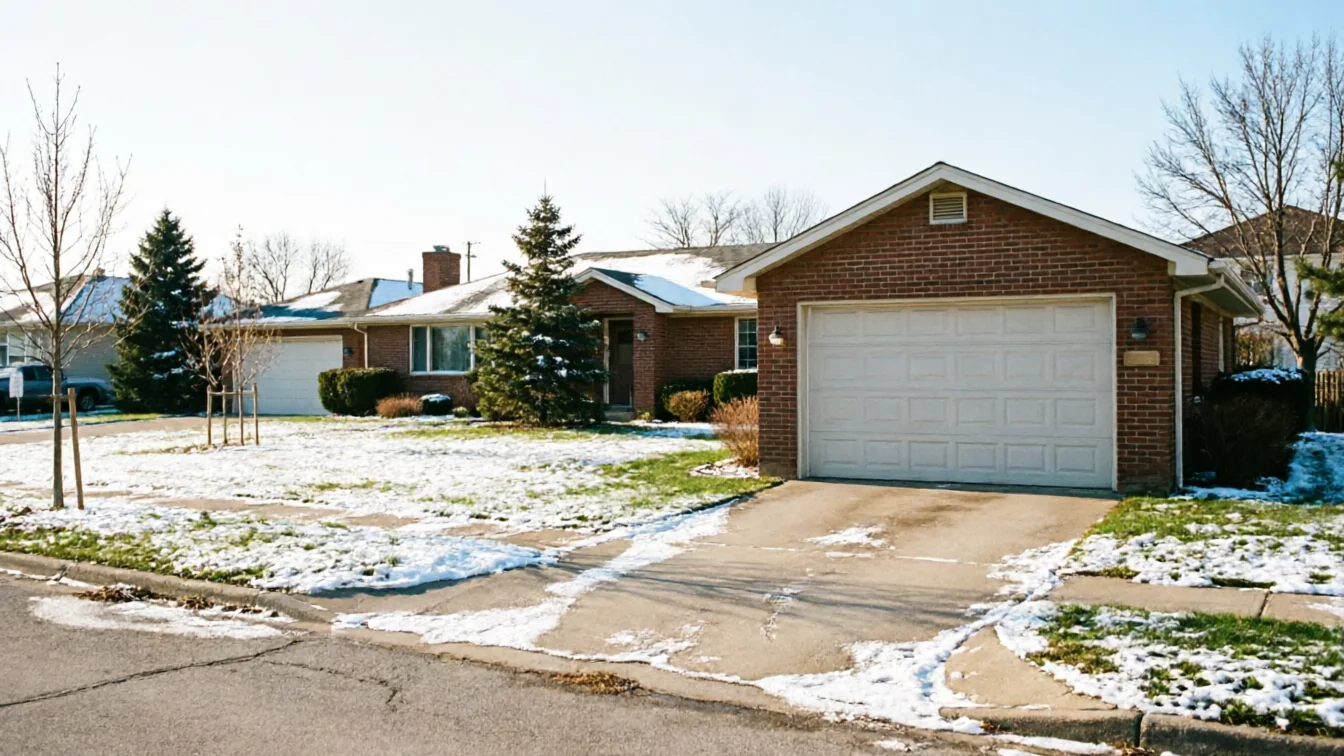
Attached or Detached: Why It Changes What Breaks on Your Garage Door
Crystal Lake homes built 1952-2009 split between attached and detached garages, and the difference changes what fails first in a cold-climate door.
Read guide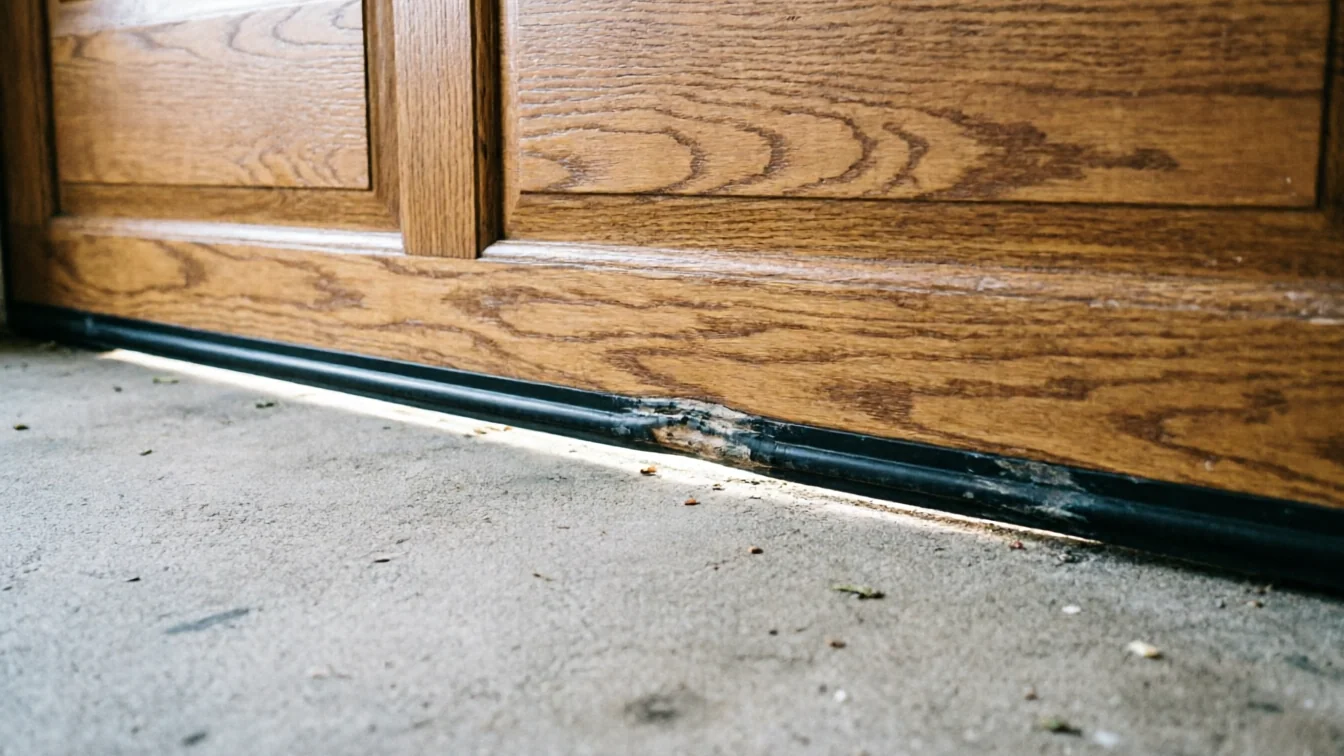
Why Garage Doors in Crystal Lake Leak Cold Air
Crystal Lake homes built mostly in the 1980s and 90s see worn weather seals and draughts around garage doors once cold winters hit.
Read guide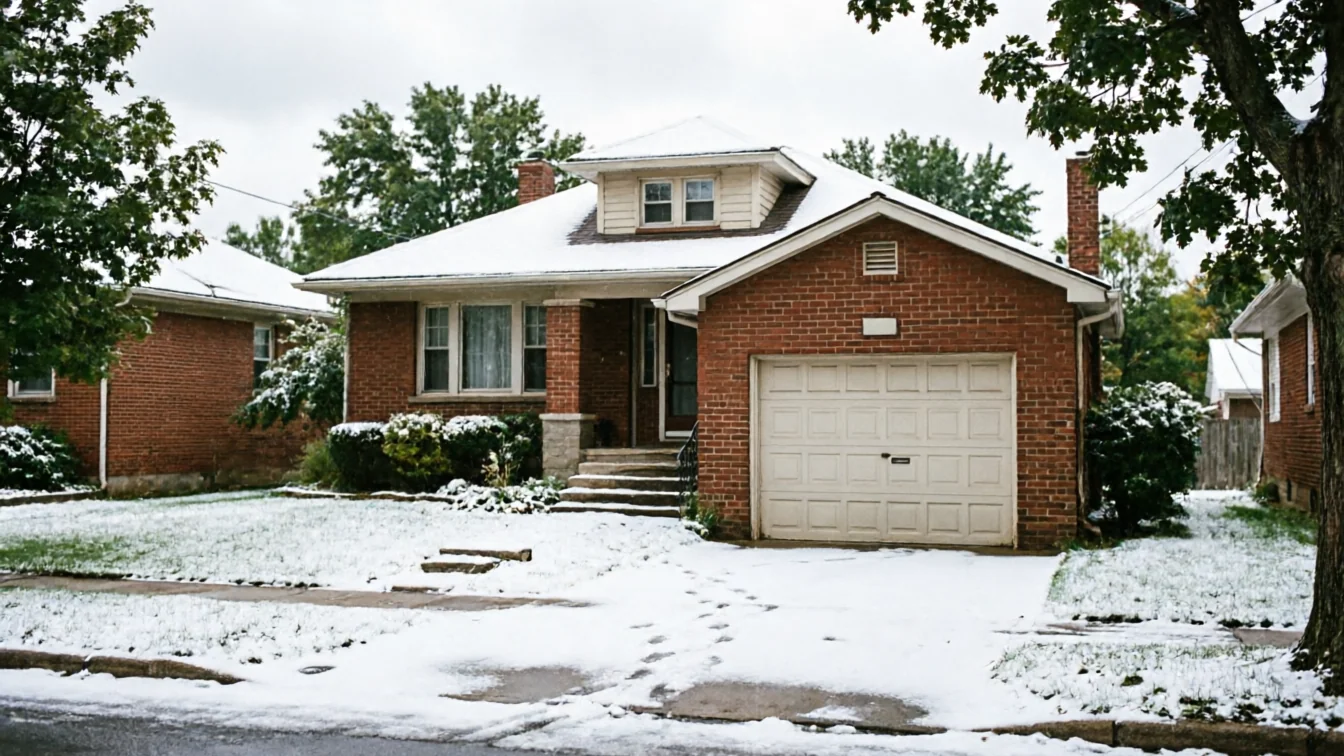
Cold-Weather Spring Failures in Crystal Lake Garages
Crystal Lake homes built mostly in the 1980s and 90s face cold-weather spring failures.
Read guideReady when you are
Need a garage door sorted in Crystal Lake?
Crystal Lake Garage Door Pros repairs and installs garage doors, springs and openers in Crystal Lake, IL and the surrounding area.