
Blog
Why Garage Doors in Crystal Lake Leak Cold Air
Crystal Lake homes built mostly in the 1980s and 90s see worn weather seals and draughts around garage doors once cold winters hit. Here's what to check.
What to Check
Start at the bottom seal. If your house was built anywhere in the 1952 to 2009 range that covers most of this area, with the bulk going up in the 1980s and 90s, odds are the original vinyl astragal has hardened and cracked at least once by now. Push a flashlight along the floor at night with the door shut - daylight or a draft at your ankle means the seal is done, not just dirty. Next, check the side and top stops where the door meets the jamb. On 80s and 90s builds these are often thin aluminum retainers holding a vinyl strip that shrinks with age and pulls away at the corners first. Run a hand along both sides while someone holds the door shut; cold air sneaking in at the top corners is the most common complaint we hear. Last, look at the bottom corners of the panel itself - on steel doors from that era, rust can start right where the seal meets the panel, and once that happens, the seal won't seat no matter how new it is. A worn seal is a $30 part. A rusted or warped bottom panel is not, and no seal will fix it.
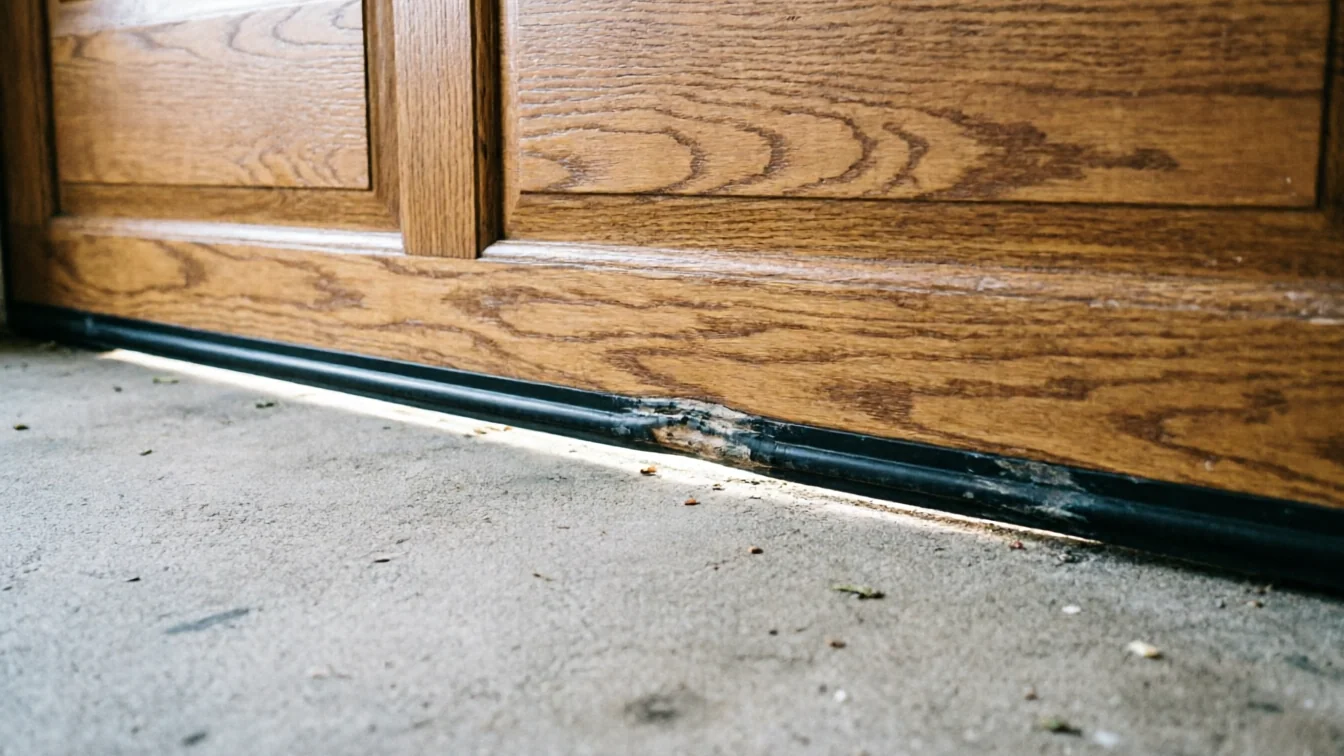
How Local Conditions Play In
This area sits in a cold moderate climate band, which means the seals on your door aren't just blocking a draft, they're fighting freeze-thaw cycling several times a season. Vinyl that's fine in October gets brittle fast once temperatures start swinging below freezing at night and back up during the day - that's what actually splits the astragal, not just age. With roughly 125,448 owner-occupied houses across this service area and a median household income of $110,450, we see a lot of owners who've already upgraded to an insulated steel door but never replaced the seal kit that came with it, so the door itself is doing its job while the gasket around it isn't. Houses closer to the open ground toward Prairie Grove or Lake in the Hills tend to catch more direct wind on the door face than ones tucked into older, denser blocks nearer Cary or Algonquin, so the draft complaint shows up faster on those more exposed garages. None of this is dramatic weather - it's steady cold and steady cycling, and that's exactly the kind of wear that a quick annual seal check catches before it becomes a bigger job.
Season by Season
Fall is when you want to look, not January. Catch a cracked bottom seal in October and it's a cheap swap; wait until the cold moderate winter settles in and that same gap turns into condensation freezing on the inside of the door, which can jam a track or crack a panel corner. Mid-winter, the complaint we hear most is draft at the top corners once the vinyl has gone stiff from repeated freeze-thaw swings - it doesn't leak water, it just lets cold air sit against anything stored near the door. By late winter and early spring, with the thaw cycle in full swing, check for water pooling along the bottom seal rather than running off; standing water there means the seal has lost its shape and is holding moisture against the slab instead of shedding it. Summer is the easy season here - nothing moves much, which is actually the best time to replace a seal kit since the vinyl installs flat and even instead of fighting cold stiffness. If you only do one seal check a year, do it before the first hard frost, not after.
The Problem
Here's the part we won't sugarcoat: a seal replacement doesn't fix a door that's out of square. On a lot of the 1980s and 90s housing stock in this area, decades of settling have shifted the frame just enough that no seal, however new, will sit flush along the whole bottom edge. If you've replaced the bottom seal twice in three years and you're still getting a draft in the same spot, the fix isn't a third seal - it's checking whether the track or the slab itself has shifted. We'll tell you when that's the case instead of selling another seal kit that won't hold. We also don't carry every astragal profile on the truck; older doors with discontinued track widths sometimes need a part ordered, which can mean a short wait rather than a same-visit fix. That's not the answer anyone wants standing in a cold garage, but it's the honest one.
Questions
Common questions
How often should I replace the bottom seal on my garage door?
In this climate, plan on checking it every fall and replacing it every few years, sooner if you see cracking or it's gone stiff. The freeze-thaw cycling common here wears vinyl faster than a milder climate would, so don't wait for an obvious gap before you look.
Why does cold air still come in after I replaced the weatherstripping?
If the draft is at the top corners or one side only, the seal may be fine but the door or frame is slightly out of square, which is common in older housing stock here after decades of settling. A new seal won't fix a frame problem, and we'll check that before selling you another seal.
Does a new insulated door solve the draft problem on its own?
Not entirely. The door panel can be fully insulated and still leak air if the perimeter seal kit around it is worn or was never replaced after install. We see this often on houses where the door itself was upgraded but the gasket wasn't.
Recommendation
You Might Also Like
More garage door guides for Crystal Lake homeowners.
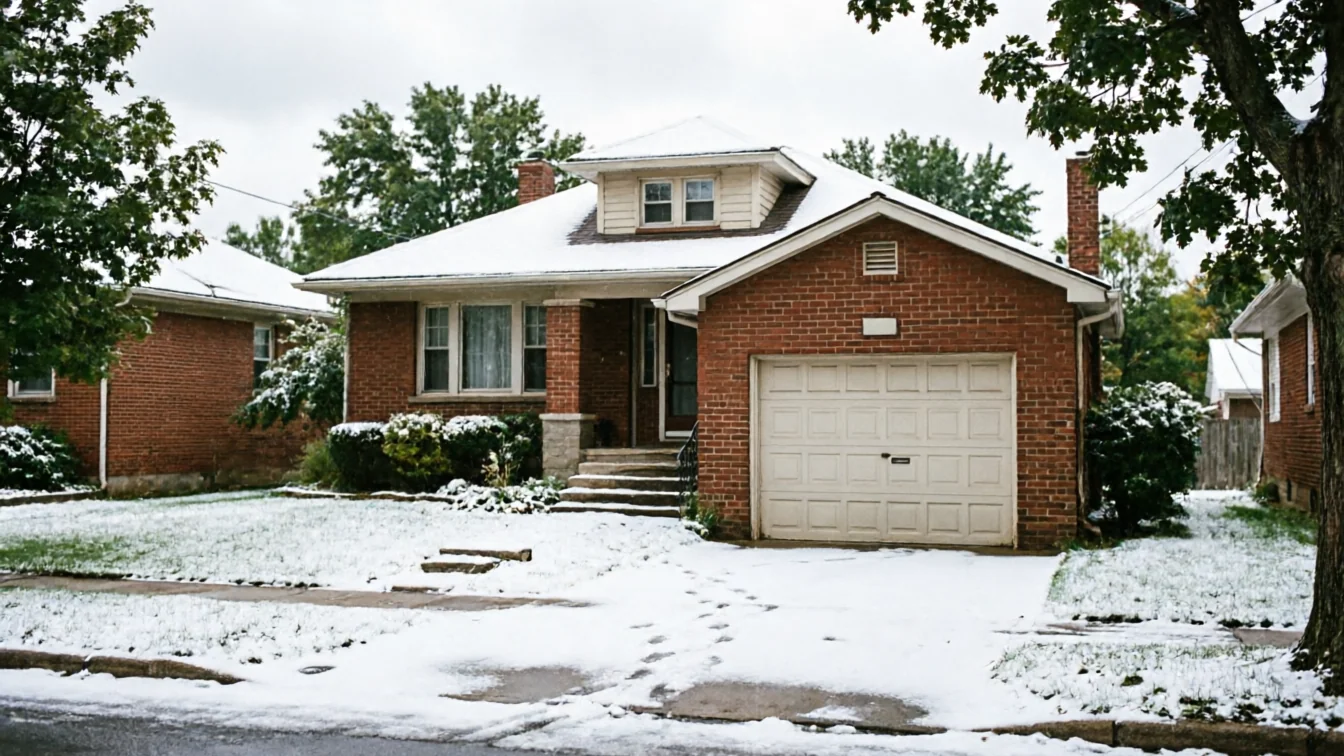
Cold-Weather Spring Failures in Crystal Lake Garages
Crystal Lake homes built mostly in the 1980s and 90s face cold-weather spring failures.
Read guide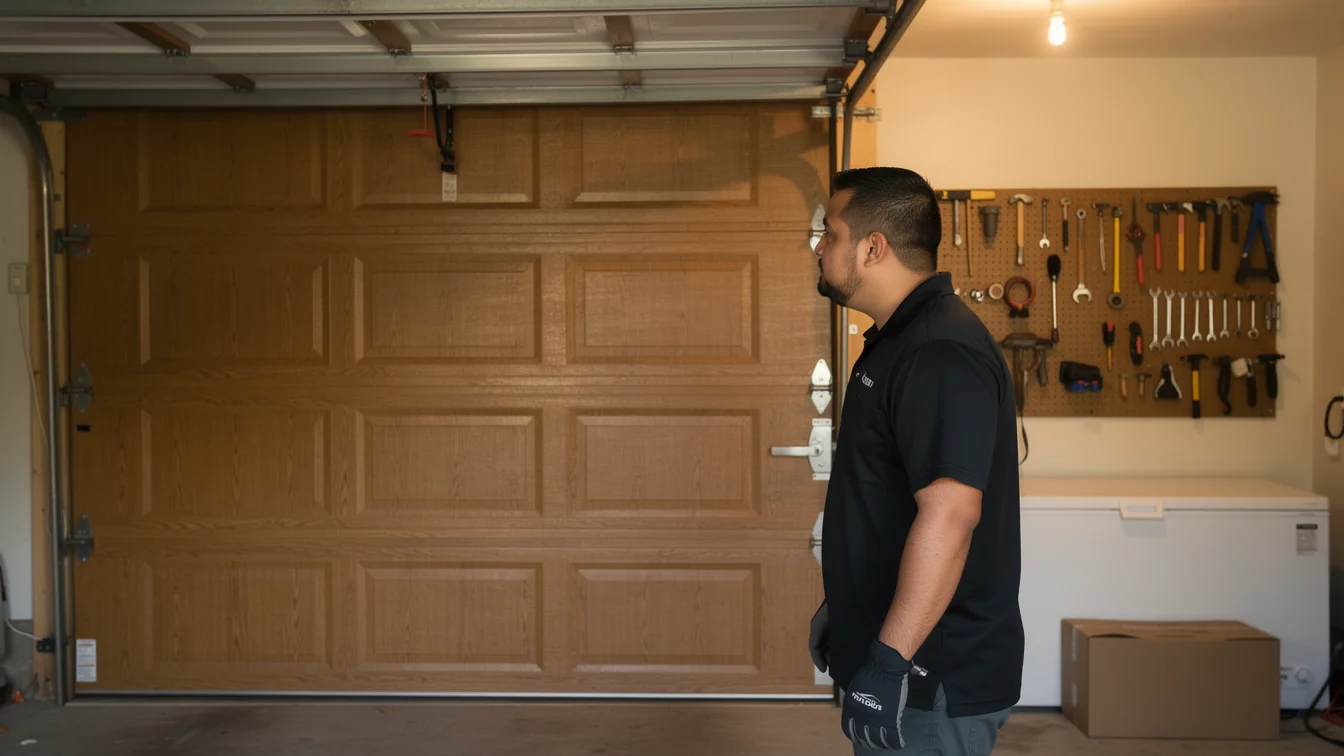
What That Noise From Your Garage Door Is Actually Telling You
Crystal Lake homes built mostly in the 1980s and 90s face real door wear from cold winters and wide seasonal swings.
Read guide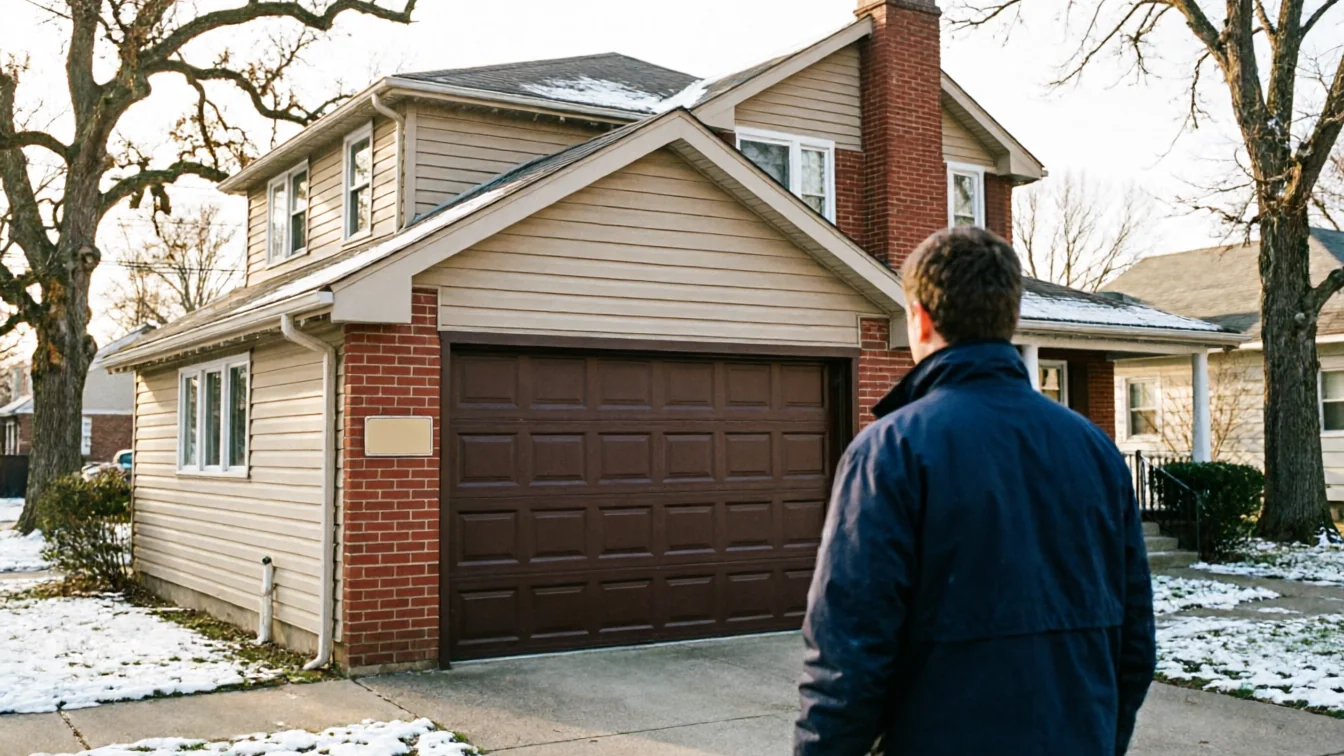
What a Replacement Garage Door Needs to Handle in Crystal Lake
Crystal Lake homes were mostly built between 1952 and 2009, in a cold climate zone.
Read guideReady when you are
Need a garage door sorted in Crystal Lake?
Crystal Lake Garage Door Pros repairs and installs garage doors, springs and openers in Crystal Lake, IL and the surrounding area.