Crystal Lake, IL
Garage Door Service for Crystal Lake Homes
Garage door service for Crystal Lake homes built 1952-2009, where cold winters and aging torsion springs cause the same handful of failures year after year.
What You Are Seeing
If your door is slow to open, drops the last foot, or the opener strains and reverses halfway up, you're looking at a worn torsion spring or a track that's gone out of alignment.
Original springs at end
On a lot of Crystal Lake houses - built anywhere from 1952 up through 2009, with the bulk of the stock dating to the 1980s and 90s - the spring is original or close to it, and it's simply at the end of its wind count.
Bang followed by stuck door
You might also notice a loud bang from the garage followed by the door refusing to move at all; that's usually the spring letting go outright, not a motor problem. Cables fraying at the bottom bracket, rollers that have worn their grooves egg-shaped, and a panel that's bowed or frozen shut are the other calls we see most.
Crooked door in the frame
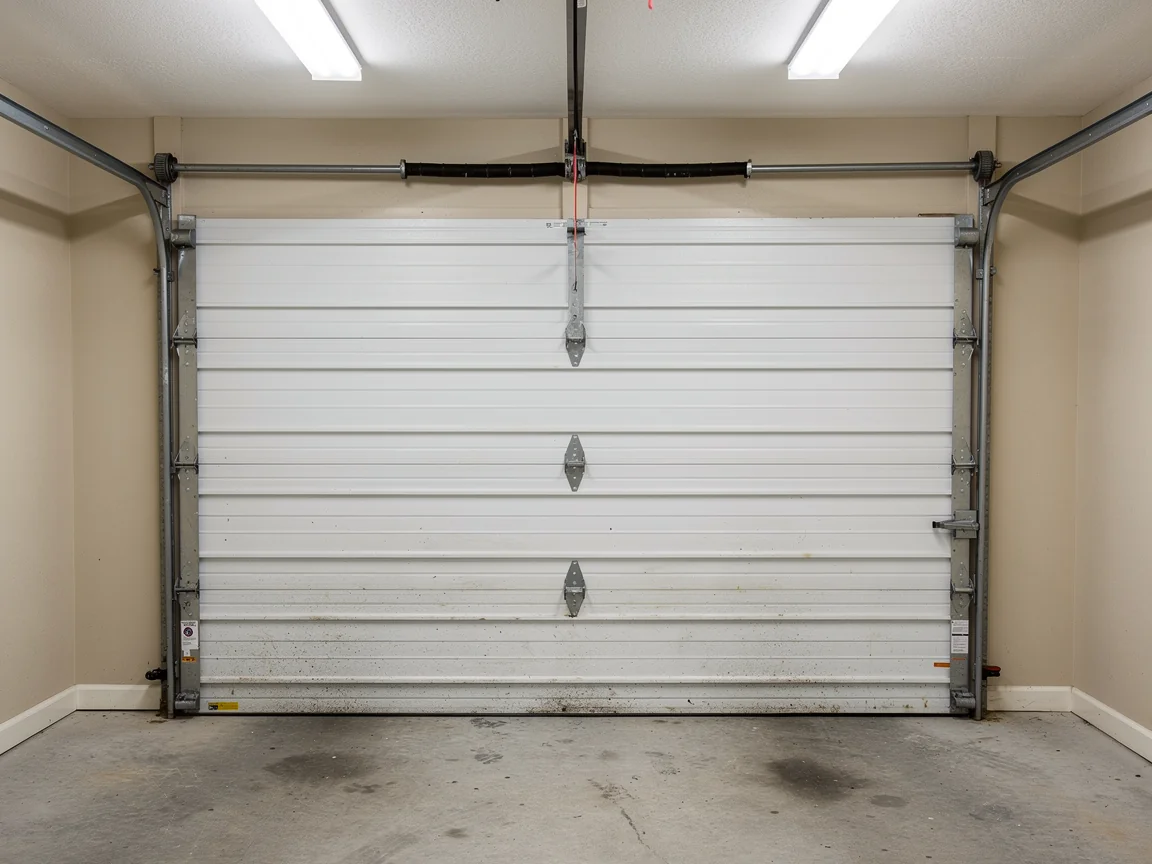
None of these fix themselves, and running the opener against a broken spring just wears out the motor faster. If the door is visibly crooked in the frame or one side sits lower than the other, stop opening it by remote and use the manual release until someone looks at it.
The DIY Question
Replacing rollers or tightening loose hardware is reasonable if you're comfortable on a ladder and the door is currently working. Torsion springs are not a DIY repair - they're wound under enough tension to break bones, and we don't recommend homeowners touch them, period. If the door won't budge, or it moves but sounds like metal scraping metal, that's a call, not a project. One honest limit: if your door is original to a house built in the 1950s or 60s, parts for it may simply not exist anymore, and we'll tell you straight that replacement is the better move rather than chasing a repair on something obsolete. We'd rather say that upfront than have you pay twice.
Why It Happens Here
A torsion spring is rated for a set number of open-close cycles, and cold makes steel more brittle and more likely to snap mid-cycle rather than wear down gradually.
Winter grease thickening
Crystal Lake sits in a moderate-cold climate band, and winter temperature swings are hard on both the spring steel and the lubrication in the rollers and hinges - grease that's fine in July turns thick and sluggish by January, which is why openers strain more in cold months even when nothing else has changed.
Aging original hardware
Combine that with a housing stock that runs median year 1986, and a lot of these doors and their original hardware are thirty-plus years into a part rated for maybe ten to fifteen years of normal use.
Early torsion setup weakness
Houses from the 1980s and 90s boom years across this area were mostly built with a standard torsion setup that wasn't engineered for the extra cold-weather cycling this climate puts on it, so the failure point tends to be the same part at a predictable age, not a random breakdown.
Time on the Job
A straightforward spring replacement or roller and cable job is usually done in one visit. We work across Crystal Lake and the surrounding area - out toward Lake in the Hills, Prairie Grove, Cary, Algonquin, and the other towns within a few miles - and the job itself doesn't change much house to house once we're on site; it's diagnosing the actual cause, not just the symptom, that takes the time. We check the opposite spring, the cables, and the track alignment while we're there, because a job that only replaces the broken part and ignores a worn cable on the other side is a callback waiting to happen.
Questions
Common questions
How do I know if it's the spring or the opener that's broken?
If the door won't move and the opener motor still runs (you hear it humming), the spring has likely failed and the opener is straining against dead weight. If the opener doesn't make any sound at all, check the power and the wall switch first - that's sometimes just a breaker or a disconnected cord.
Why did my door break in winter and not before?
Cold makes spring steel more brittle and thickens the grease in rollers and hinges, so a spring that was already near the end of its rated cycle count is more likely to snap in January than in July. The underlying wear was there all year; the cold just tips it over.
Is it worth repairing a door from the 1950s or 60s?
Sometimes, but not always. If the door is original to a house built that early, parts can be hard to source, and we'll tell you plainly if replacement makes more sense than chasing a repair on hardware that's no longer made.
Explore more
Explore More Services In Crystal Lake, IL
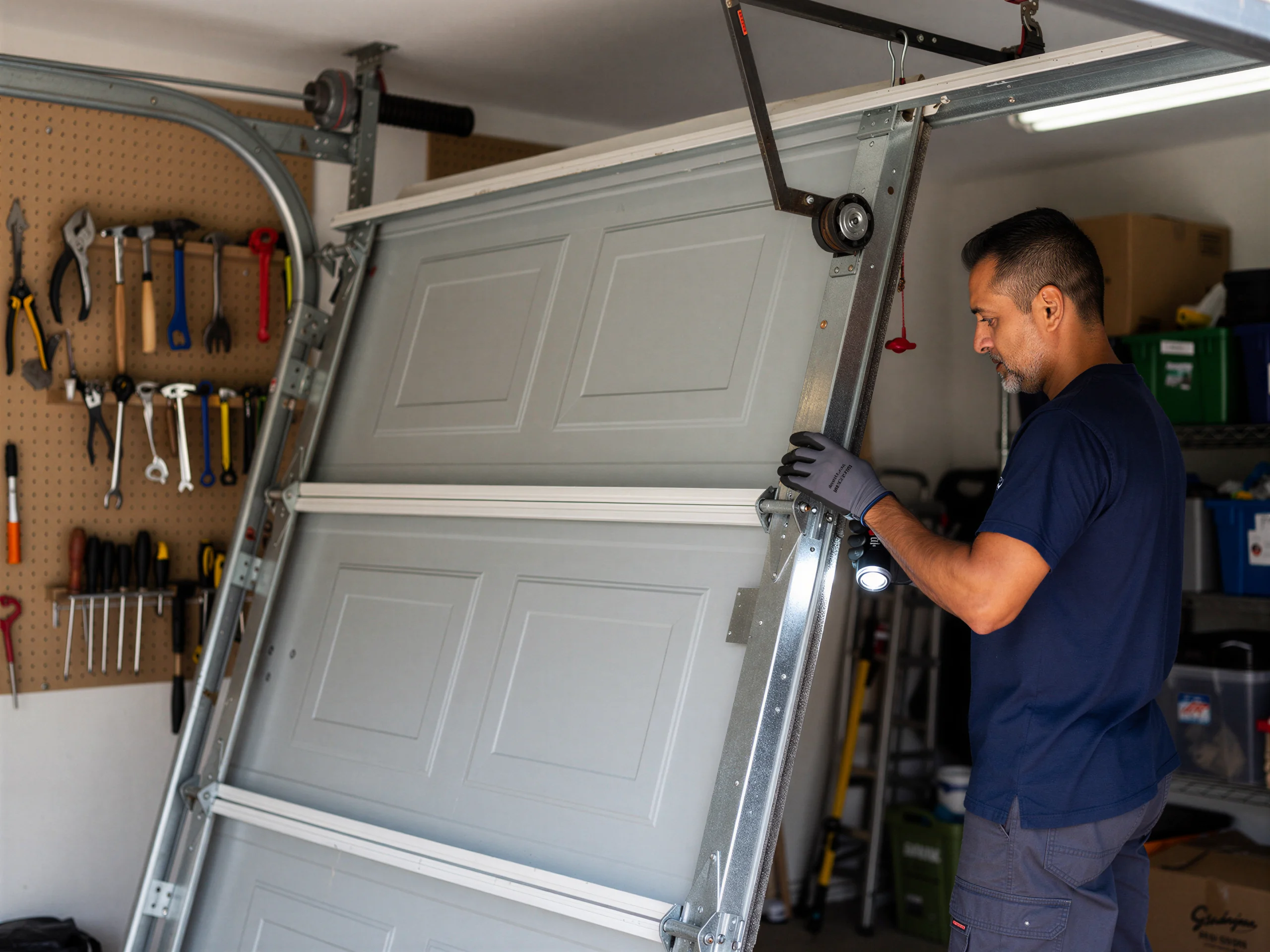
Garage Door Off Track: What's Going On and What It Takes to Fix
Garage door jumped its track in Crystal Lake? Learn more →
Garage Door Maintenance Built Around Crystal Lake's Housing Stock
Garage door maintenance for Crystal Lake homes built 1952-2009, matched to cold-climate wear and the hardware that era actually used. Learn more →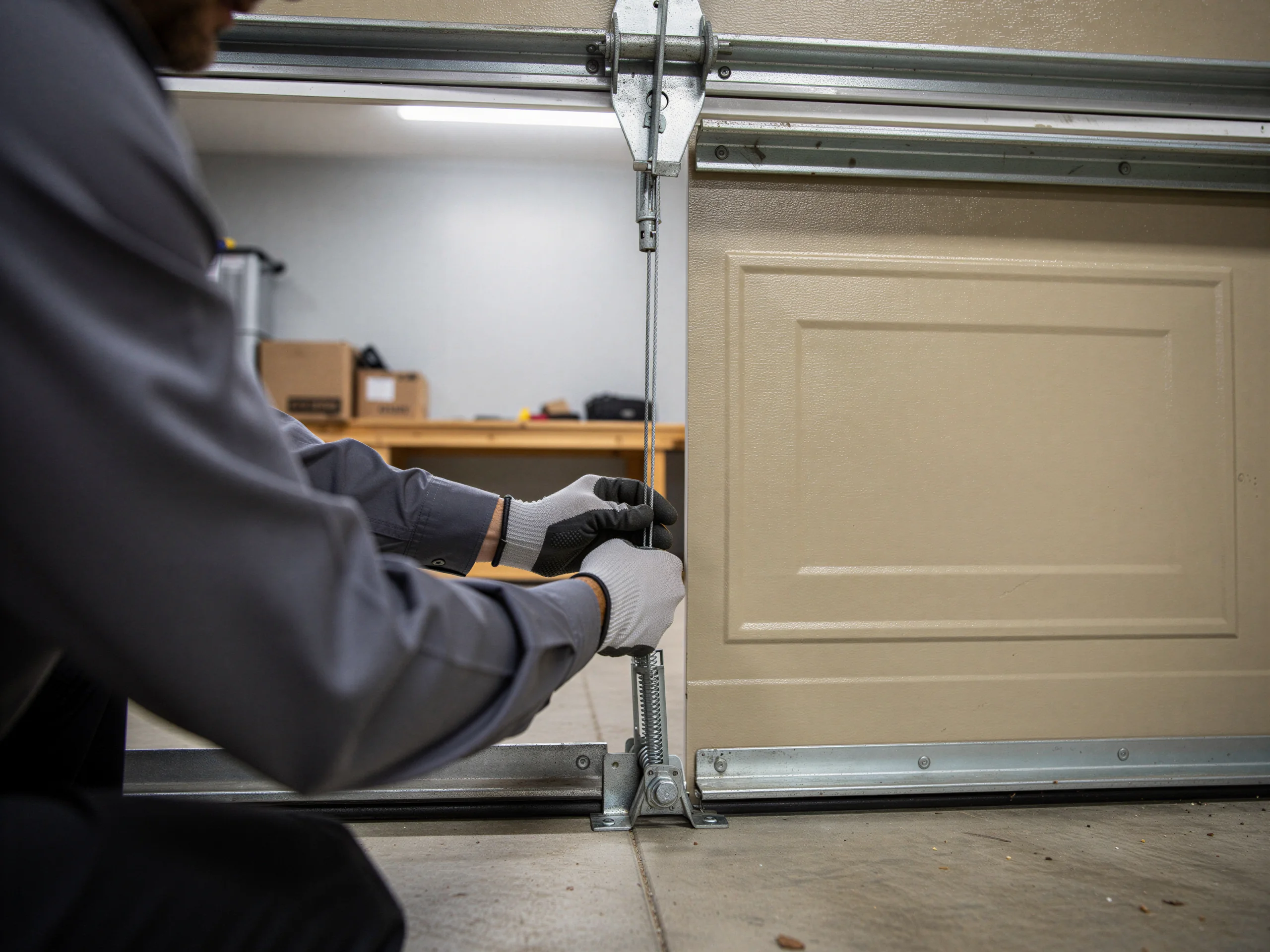
Broken or Frayed Garage Door Cable? Here's What's Going On in Crystal Lake
Crystal Lake Garage Door Pros repairs broken and frayed garage door cables on homes built from the 1950s to the 2000s across the Crystal Lake, IL area. Learn more →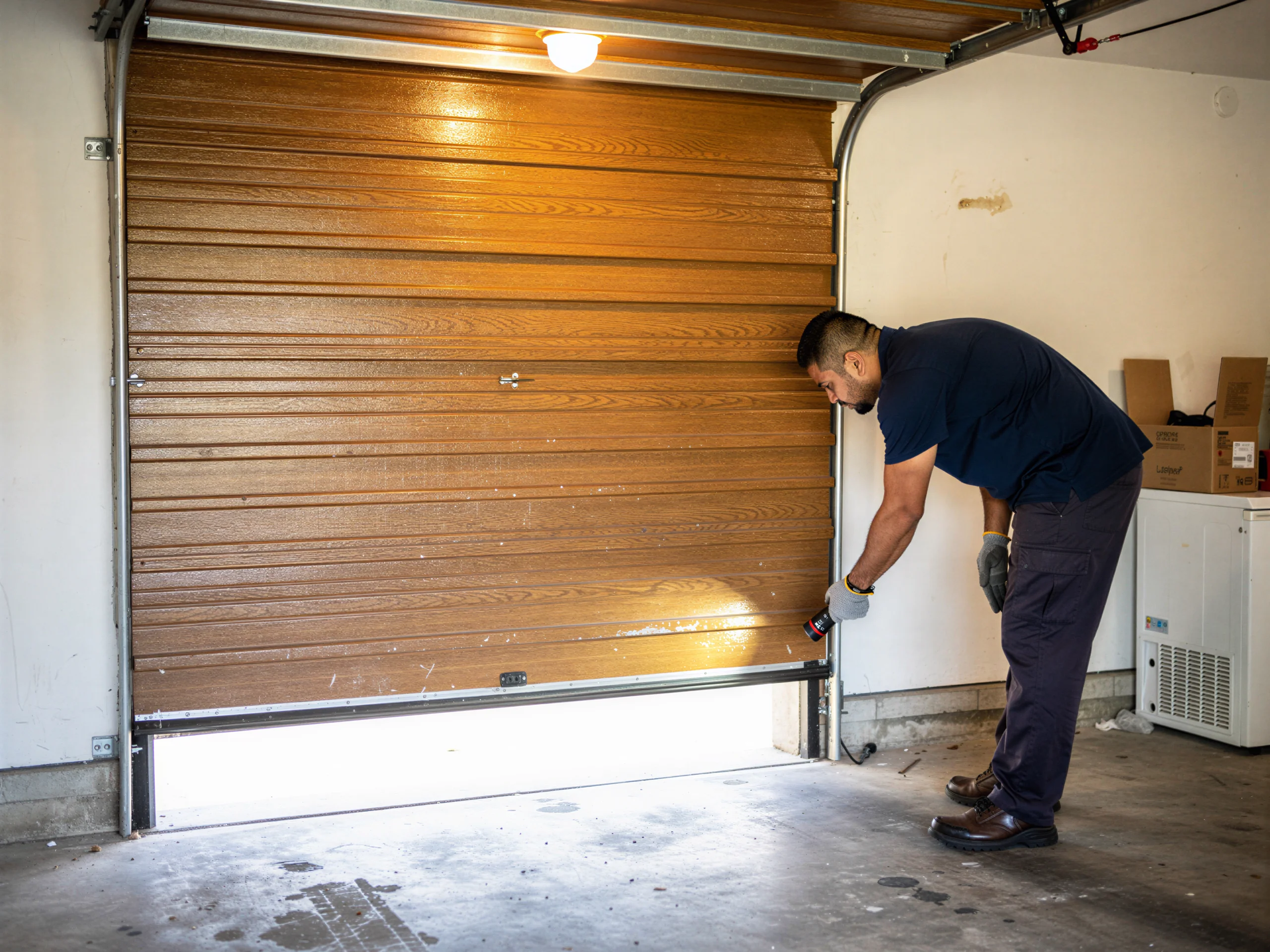
Garage Door Repair for Crystal Lake Homes
Broken spring, stuck track, or dead opener on a Crystal Lake garage door? Learn more →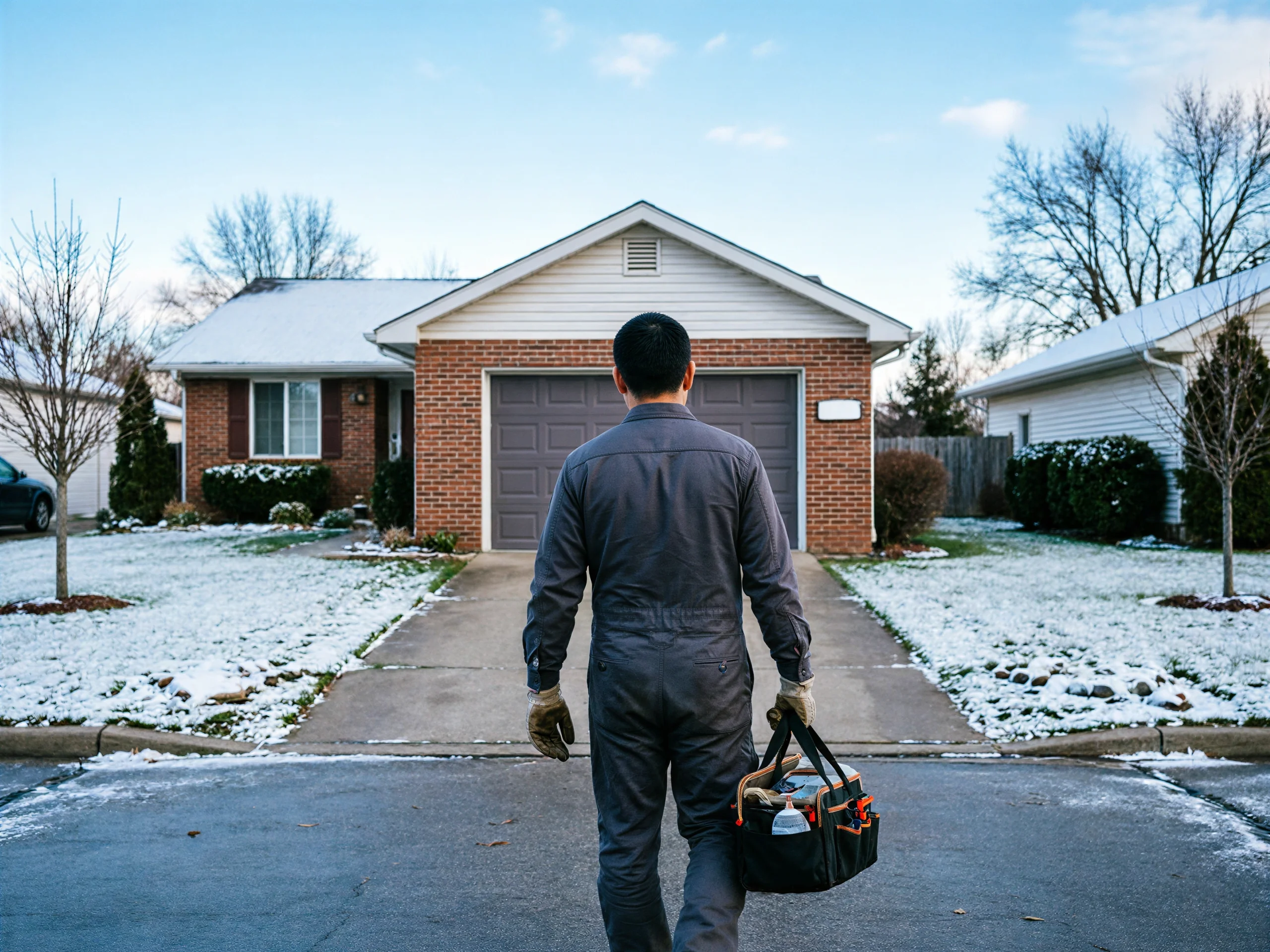
Emergency Garage Door Repair Around Crystal Lake
24/7 emergency garage door repair for Crystal Lake and nearby towns. Learn more →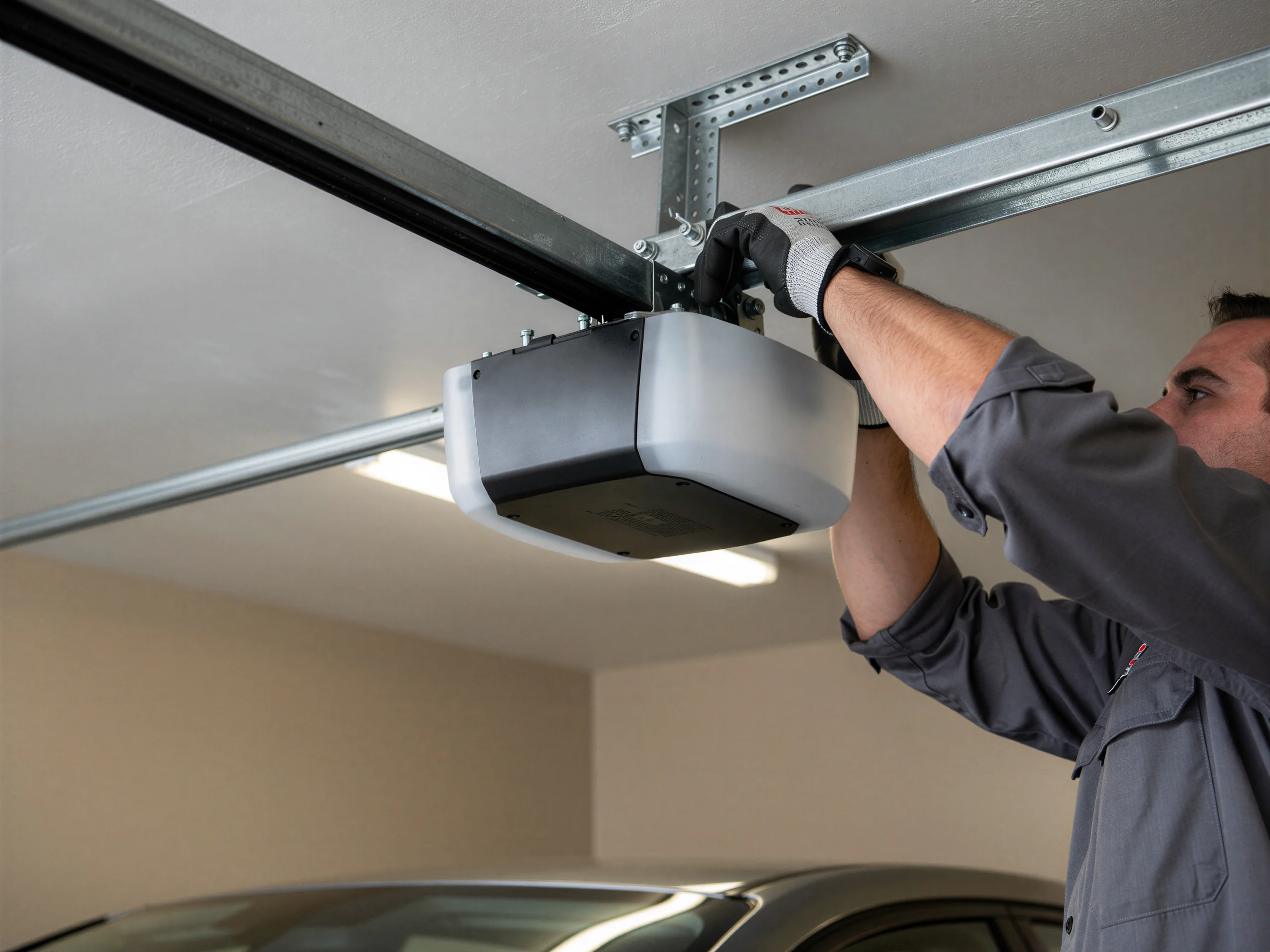
Garage Door Opener Installation, Crystal Lake
Garage door opener installation for Crystal Lake homes built 1952-2009, matched to older chain-drive setups and cold-climate loads. Learn more →Ready when you are
Need a garage door sorted in Crystal Lake?
Crystal Lake Garage Door Pros repairs and installs garage doors, springs and openers in Crystal Lake, IL and the surrounding area.