
Blog
Is Your Crystal Lake Garage Door Worth Fixing or Replacing?
Crystal Lake homes mostly date 1952-2009, median 1986, with cold-moderate winters. Here's how to tell if your garage door is worth repairing or past it.
What to Check
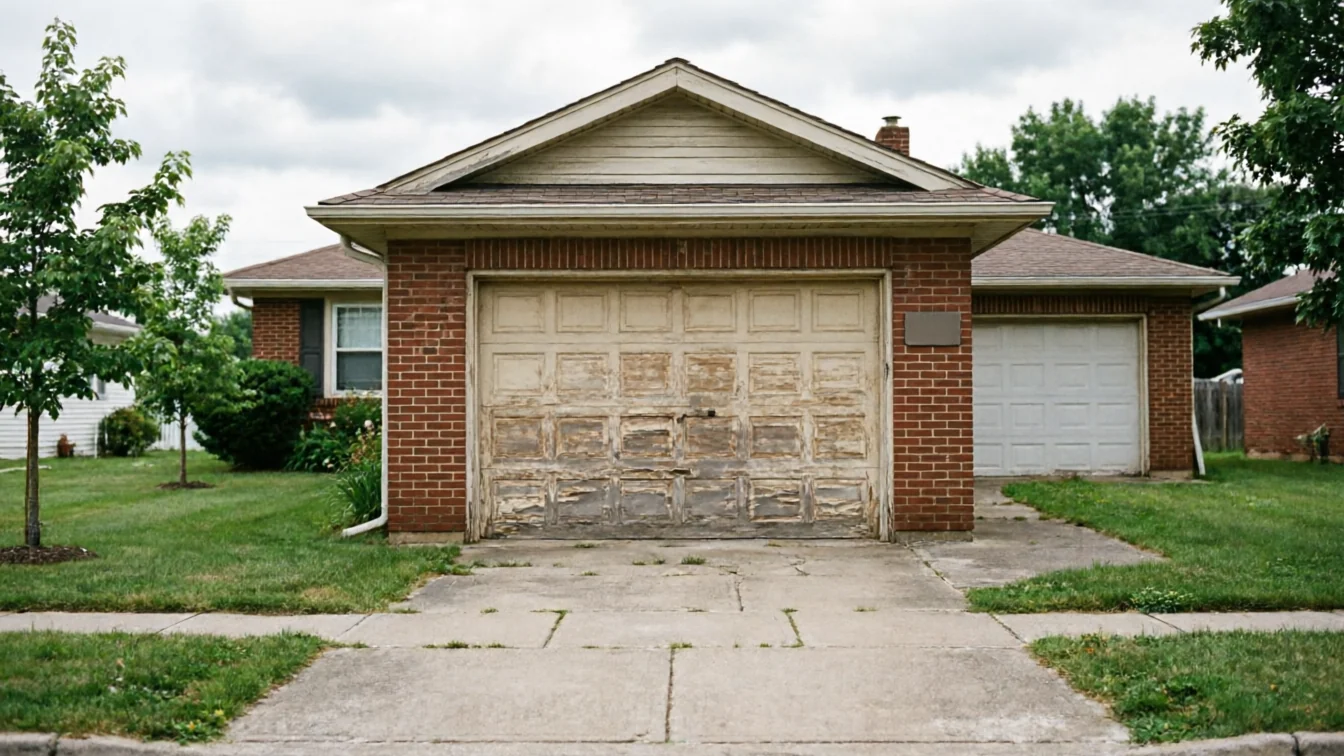
Start with the build date of the house, not the door. Housing across this service area went up mostly between 1952 and 2009, with the typical home dating to 1986. If your door is original to the house, you're likely looking at a steel sectional door pushing 35 to 40 years old, and that changes the math on repair. Pop the garage light on and look at three things: the spring (is it one thick coil, or two thinner ones on either side of the shaft), the track (bent, rusted, or pulling away from the wall), and the panels (rust-through at the bottom, delamination on the face). A bent track on a door that's otherwise solid is a cheap fix. A seized torsion spring on a door with rusted-through bottom panels is a different conversation - you're paying to fix a door that's going to need the panels replaced in a year or two anyway. Check the opener separately from the door itself; a dying opener on a sound door is almost always worth replacing on its own, no argument needed. The honest rule: if two major components are failing at once, you're not fixing a door, you're buying time on one.
How Local Conditions Play In
This area sits in a cold-moderate climate band, and that matters more for older doors than new ones. A torsion spring sized and installed in, say, 1986 was rated for the loads and temperature range of that era's hardware, not for three decades of expansion and contraction through cold winters. Steel contracts in the cold, which tightens tolerances on tracks and rollers that were already worn. That's why a door that closes fine in August can start binding or slamming the last six inches once temperatures drop. Across the 58 named areas that make up this service area, the bulk of the housing stock is 1980s and 90s construction, which means a lot of these doors are uninsulated steel sectional panels - thin skin, no foam core. In a cold-moderate climate, that's not just a comfort issue if the garage is attached; it's also a weight and balance issue, since thin panels flex and warp differently than insulated ones as they age. If your door is banging or sagging more in winter than summer, that's the spring and the panel thickness talking, not just age alone.
Season by Season
Fall is when a worn spring usually announces itself, because the first cold snap puts more load on hardware that's already fatigued. If your door felt heavy to lift by hand in October, don't wait until it snaps in January. Winter is when cables and rollers fail outright - cold-stiffened grease, rust on exposed cable strands, nylon rollers that crack rather than roll. This is also when an old, unbalanced door strains an opener motor that was never the real problem. Spring brings the thaw cycle, and with it, moisture finding its way into any gap around a warped or rusted panel bottom - worth checking after the snow's gone, especially on doors with visible rust lines from past winters. Summer is the slow season for failures, which makes it the right time for the boring stuff: lubricate hinges and rollers, tighten loose hardware, check weatherstripping before the next cold-moderate winter arrives. Doors from the 1980s and 90s stock common here rarely fail all at once - they fail component by component across a year, which is exactly why catching the first one matters.
The Problem
Here's the limitation worth saying out loud: once a door is old enough that its panel profile has been discontinued, we can't always match it. A lot of the 1980s and 90s stock common across this service area used panel widths and window cutouts that manufacturers stopped making years ago. We can fix the spring, the cables, the opener - any of that is straightforward on a door of any age. What we can't always do is find one replacement panel that matches the other five on a door built in, say, 1983, without a lead time that makes the repair cost more sense to skip. With 125,448 owner-occupied houses in this service area and a median household income of $110,450, most owners here are weighing a repair against a full replacement rather than walking away from the house entirely - and that's usually the right instinct. Our rule of thumb: if the spring, cables, and opener are the issue, fix it. If the panels themselves are rusted through or the track is bent beyond adjustment on a door already past 30 years old, put the repair money toward a new door instead.
Questions
Common questions
How old does a garage door have to be before repair stops making sense?
There's no single cutoff, but once a door built in the 1980s or earlier needs both spring and panel work at the same time, repair cost starts approaching what a new door runs. A door with one clean failure - a snapped cable, a worn roller - is almost always worth fixing regardless of age.
Why does my old door act worse in winter?
This area's cold-moderate climate means steel hardware contracts in the cold, tightening tolerances on tracks and rollers that are already worn from decades of use. A door that closes fine in summer can bind or slam in January because of that same wear, not a new problem.
Can you match panels on a door from the 1980s?
Sometimes, but not always. A lot of the 1980s and 90s stock common across this area used panel profiles that manufacturers no longer produce. We'll check before quoting a panel repair - if we can't match it, we'll say so rather than guess.
Is it worth replacing just the opener on an old door?
Usually yes, if the door itself is balanced and the track and panels are sound. A failing opener on a structurally good door is one of the cleaner repair decisions there is, separate from whatever shape the door panels are in.
Recommendation
You Might Also Like
More garage door guides for Crystal Lake homeowners.
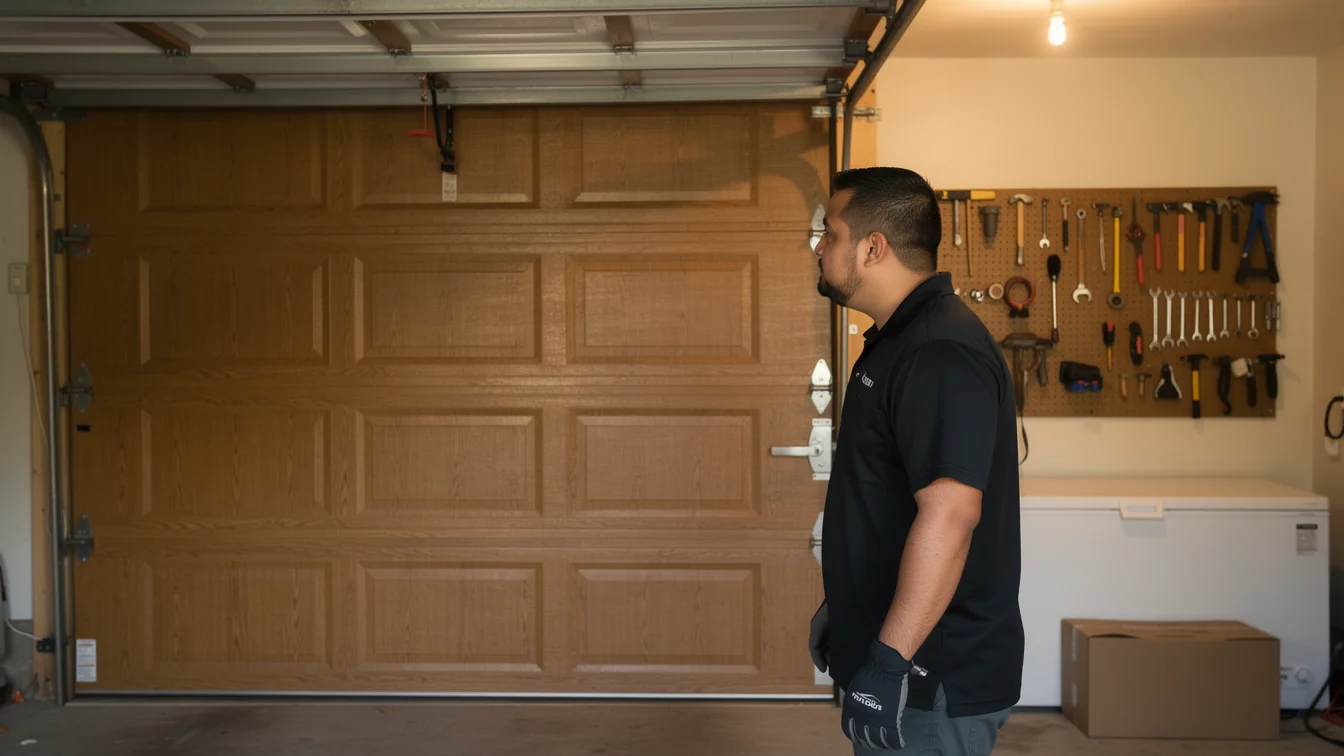
What That Noise From Your Garage Door Is Actually Telling You
Crystal Lake homes built mostly in the 1980s and 90s face real door wear from cold winters and wide seasonal swings.
Read guide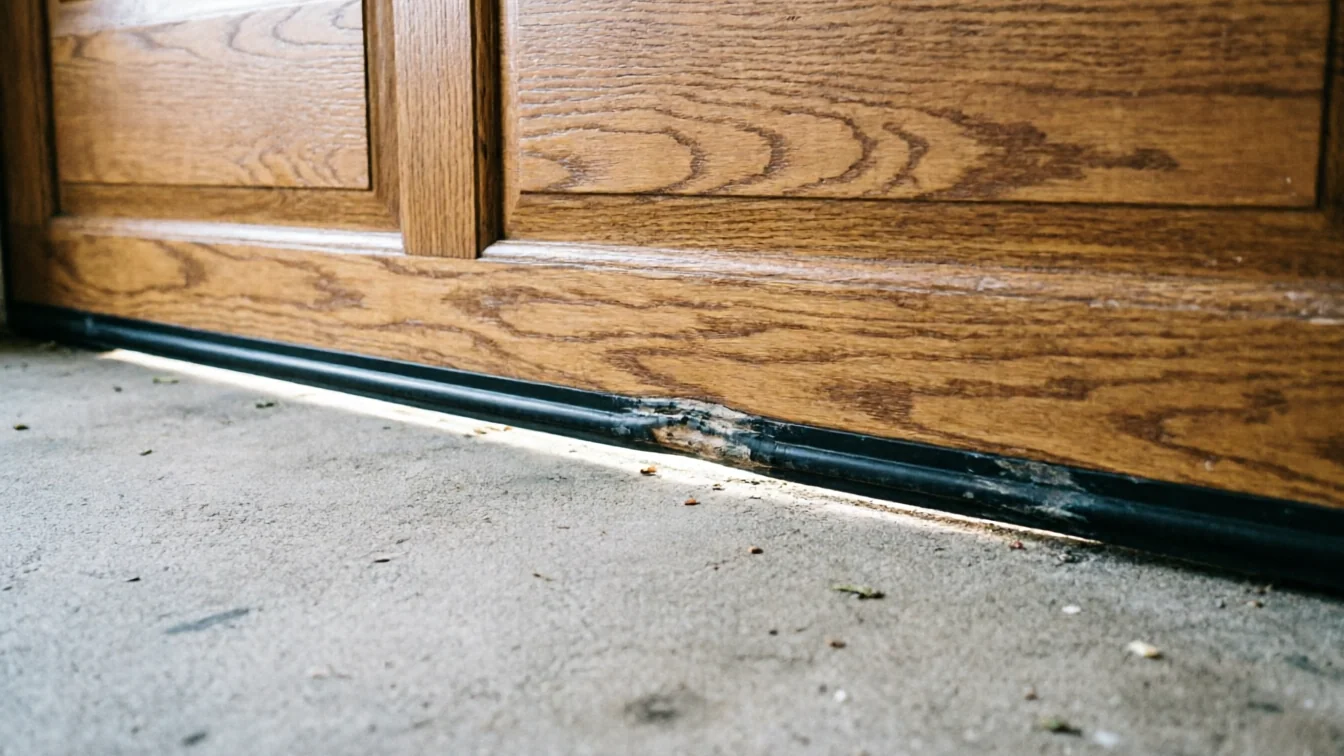
Why Garage Doors in Crystal Lake Leak Cold Air
Crystal Lake homes built mostly in the 1980s and 90s see worn weather seals and draughts around garage doors once cold winters hit.
Read guide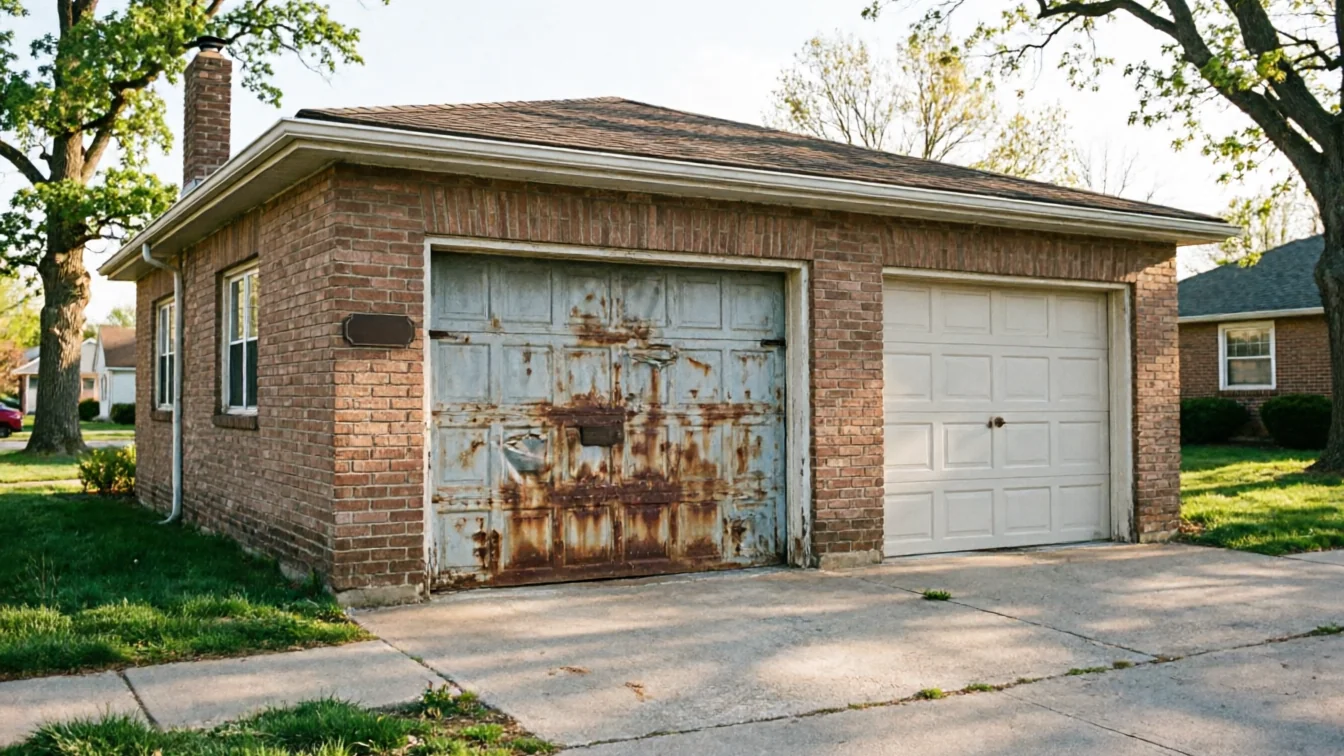
Knowing When a Repair Isn't Worth It Anymore
A look at when a garage door repair stops making sense for Crystal Lake homes built mostly in the 1980s and 90s, and what the area's cold winters do to aging hardware.
Read guideReady when you are
Need a garage door sorted in Crystal Lake?
Crystal Lake Garage Door Pros repairs and installs garage doors, springs and openers in Crystal Lake, IL and the surrounding area.